
Storage levels mark 15-year low
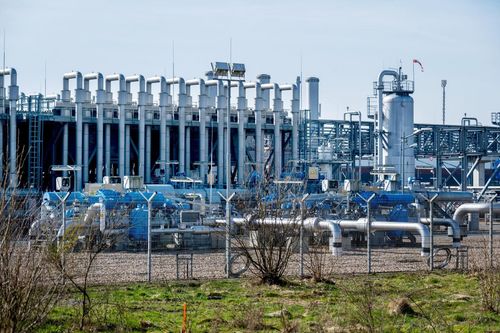
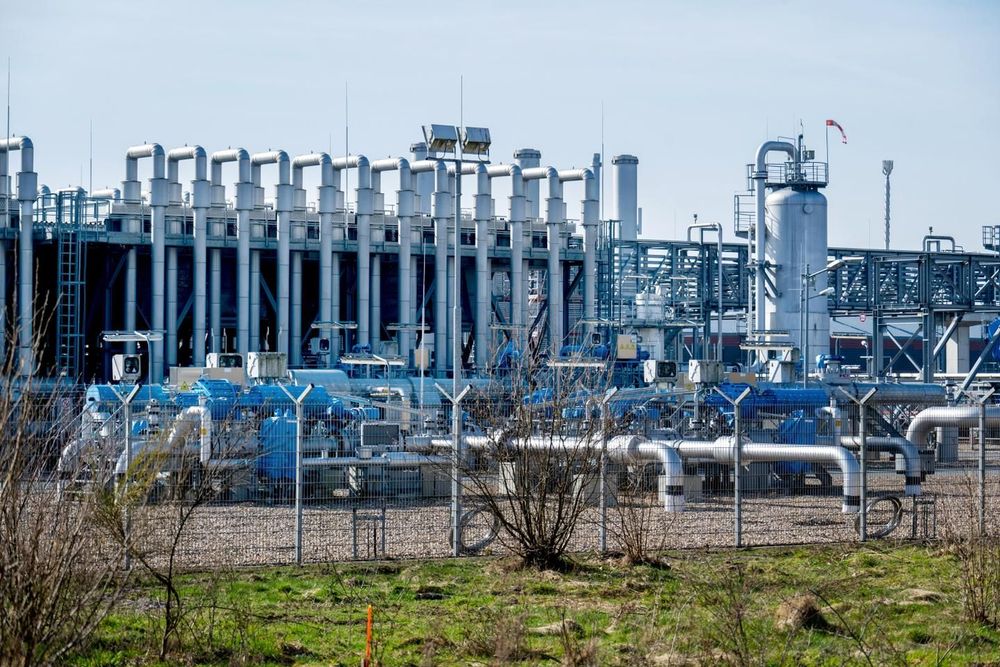
European Union gas storage facilities were only 65% full at the start of September, marking a 15-year low for this time of year. The shortfall threatens the bloc's energy security as winter approaches, with countries struggling to build adequate reserves amid soaring prices.
The crisis stems from the ongoing war in the Middle East, which has blocked the Strait of Hormuz and prevented Qatar from exporting liquefied natural gas. This disruption sent gas prices surging, prompting European energy suppliers to slow their purchases while attempting to maintain reserve levels.
"There was hope that the situation would normalize, that Qatar would return to the market and that prices would drop in time to fill the tanks before winter. But that is not happening, and we risk going through the cold season without a real safety net."
Anne-Sophie Corbeau, a gas expert at the Center on Global Energy Policy at Columbia University in New York, explained the precarious situation facing European energy markets.
The stakes are considerable. During winter months, gas drawn from underground storage facilities typically covers up to one third of EU consumption when temperatures drop.
Unprecedented injection rates needed
According to Bloomberg calculations, the region must still acquire more than 100 terawatt hours of gas to reach its minimum storage target of 75% by the heating season's start. At current rates, this represents an investment exceeding €7 billion.
Achieving this goal would require injection rates unprecedented for this time of year since the 2022 energy crisis. Such accelerated filling could generate additional upward pressure on already elevated prices, creating a challenging dynamic for European economies.
The situation represents a reversal of the careful preparation that began last spring. As is customary, European countries started filling their reservoirs in anticipation of winter demand. However, the geopolitical upheaval in the Middle East fundamentally altered these plans.
Energy suppliers made a calculated gamble that market conditions would improve, allowing them to purchase gas at lower prices later in the season. That bet has not paid off, leaving the continent vulnerable as cold weather approaches.
The 65% storage level stands in stark contrast to the fuller reserves typically seen at this point in the year, reflecting both the supply disruptions and the economic calculations that have shaped purchasing decisions throughout the summer months.