
In DR Congo, healthcare workers on the front lines of Ebola face anger and exhaustion as they remain unpaid
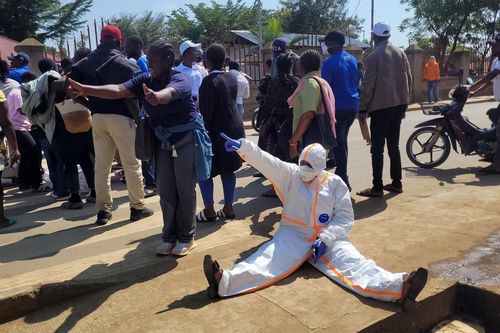
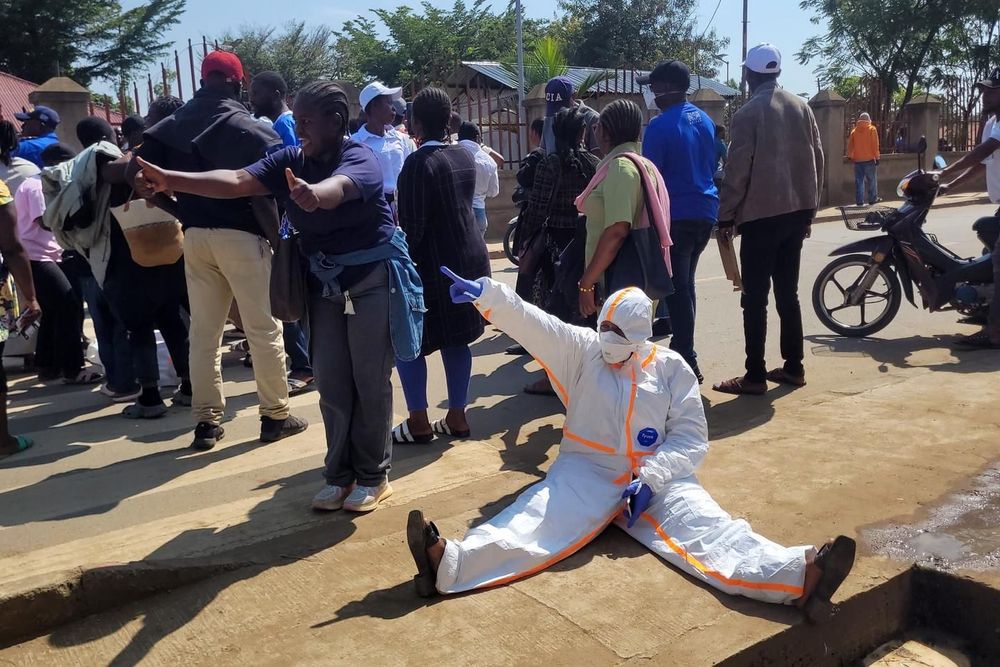
Healthcare workers fighting the Ebola epidemic in eastern Democratic Republic of Congo are threatening to abandon their posts after more than three months without pay, even as the outbreak has become the second-largest ever recorded and continues to claim lives at an unprecedented rate.
"How much longer are we going to risk our lives without being paid?" asked Jean-Pierre, a nurse working near Bunia, the capital of Ituri Province where the outbreak began. Like hundreds of other frontline medical staff, he has received no salary since the government officially declared the epidemic on May 15. As of Sunday, August 23, the outbreak had killed 2,642 people out of 5,514 confirmed cases, according to authorities.
The World Health Organization declared the outbreak a Public Health Emergency of International Concern on May 17, just two days after the official declaration, recognizing the severity of a crisis that has since expanded to six provinces and crossed into neighboring Uganda. By early August, it had become the fastest-growing Ebola outbreak on record.
A particularly deadly strain without approved treatments
This outbreak is caused by Bundibugyo ebolavirus, a strain for which no approved vaccine or specific therapeutic treatment exists, unlike the more common Zaire ebolavirus strain. The Bundibugyo virus carries a case fatality rate ranging from 30% to 50%, making the work of healthcare providers even more perilous in the absence of proven medical interventions.
The crisis comes barely five months after the previous Ebola outbreak in DRC ended in December 2025, marking the 17th such epidemic in the country since the virus was first identified there in 1976. The rapid succession of outbreaks has stretched the healthcare system to its breaking point.
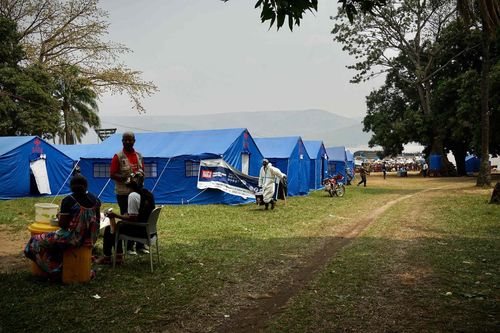
Protests and strike threats have intensified since early July across Ebola treatment centers in Bunia, Mongbwalu, Nizi, Rwampara, Kasenyi, and Kisangani. While sporadic work stoppages have occurred in several locations, none have lasted more than a few days as healthcare workers struggle between financial desperation and professional duty.
"Our authorities have abandoned the frontline providers to their fate," staff at the Kisangani treatment center declared in a video posted to Facebook on August 11. Having received only transportation coverage since the outbreak began, nurses and doctors threatened to "release the patients" and "shut down the site" if payment was not forthcoming.
Geographic spread compounds the crisis
The outbreak has expanded far beyond its epicenter in Ituri Province, a region already grappling with ethnic conflict and humanitarian crisis. Cases have now been confirmed in five additional provinces: North Kivu, South Kivu, Haut-Uélé, Tshopo, and Bas-Uélé. The affected eastern provinces are home to approximately 1.9 million people in need of humanitarian aid, further complicating response efforts.
Bunia, a city of approximately 900,000 people located near the Ugandan border, has borne the brunt of the epidemic. The cross-border spread to Uganda has raised international alarm about the potential for wider regional transmission.
Jean-Pierre, who asked that his last name not be published, told Le Monde by phone on Friday, August 21, that government promises of imminent payment have repeatedly failed to materialize. "The government keeps assuring us that we will be paid soon but, for now, their promises have not materialized," he said.
The payment crisis reflects broader structural problems within DRC's healthcare system, where only a minority of medical staff receive regular government salaries. Many healthcare workers have historically depended on user fees and other informal compensation mechanisms to supplement inadequate or absent state support, a fragile arrangement that collapses entirely during epidemic emergencies when normal healthcare operations are suspended.