
A New Approach to Superhero Television
The Green Lantern has been protecting the universe since 1940, when the character first appeared in comic books wielding a powerful green ring with one notable limitation: it requires regular recharging from a green lantern. Nearly nine decades later, Lanterns, which premiered on HBO and HBO Max on August 16, 2026, keeps this detail that resonates with anyone whose smartphone battery is dying—stray too far from your power source and you're vulnerable.
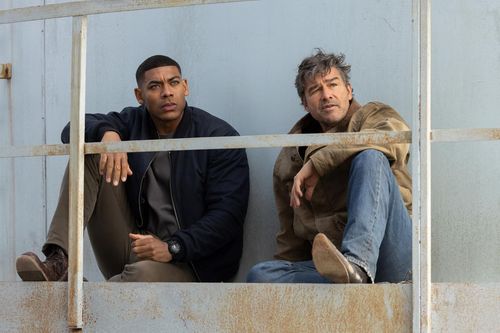
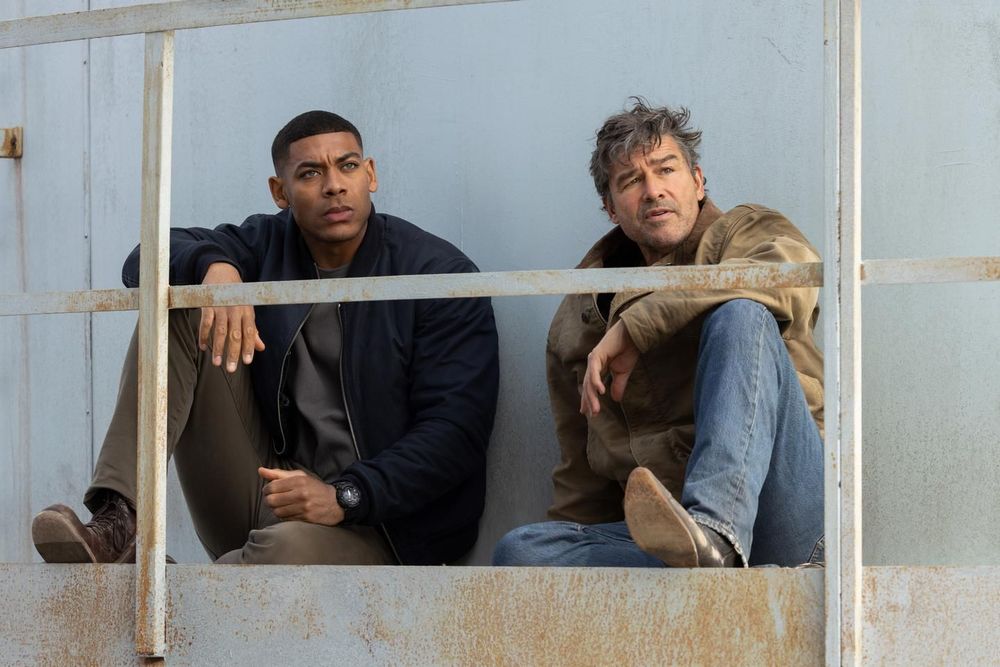
Hal Jordan, portrayed by Kyle Chandler, embodies this vulnerability in ways that reveal much about his commitment to superhero duties. The series creators—Damon Lindelof (Lost, The Leftovers, Watchmen), Chris Mundy, and comic book writer Tom King—aren't interested in glorifying superheroes but rather in examining their flawed humanity.
Mundy, who previously served as showrunner on Netflix's Ozark from 2017 to 2022 and executive produced True Detective Season 4, brings his crime drama expertise to the DC Universe. He describes Lanterns as being "as much of a buddy cop show as a superhero show," inspired by King's pitch that grounded the mythology of the intergalactic Green Lantern Corps in earthy, character-driven drama.
This approach represents a deliberate departure from conventional superhero storytelling—one that constantly reminds viewers of the protagonists' human frailties rather than celebrating their powers. While this strategy is hardly revolutionary, having roots dating back at least to Richard Lester's Superman III in 1983, the creative team brings fresh perspective to well-worn territory.
Historical Context and Representation
Aaron Pierre stars as John Stewart, a character with significant historical importance in comics. Created by Dennis O'Neil and Neal Adams, Stewart first appeared in Green Lantern #87 in December 1971/January 1972 as one of DC Comics' first Black superheroes. For an entire generation, Stewart became the definitive Green Lantern through his portrayal in the Justice League and Justice League Unlimited animated series from 2001 to 2006, voiced by Phil LaMarr.
Pierre, who gained prominence through roles in Barry Jenkins' The Underground Railroad and the Netflix film Rebel Ridge, also voices Mufasa in Jenkins' The Lion King prequel. His casting brings gravitas to a character deeply embedded in popular culture.
Redemption After Past Failures
The series arrives 15 years after the 2011 Green Lantern film starring Ryan Reynolds, which was widely considered a critical and box office disappointment. Lanterns represents an opportunity to redeem the franchise through a different medium and storytelling approach.
As the third television series and fifth overall installment in the DC Universe Chapter One: Gods and Monsters—the new shared universe overseen by DC Studios co-CEOs James Gunn and Peter Safran—the show carries significant weight in establishing the tone and direction of DC's rebooted continuity.
Creative Pedigree
Tom King, whose acclaimed comic book work includes decorated runs on Batman and Supergirl: Woman of Tomorrow (the latter being adapted into a DCU film), brings deep understanding of the source material. Combined with Lindelof's talent for complex character studies and Mundy's procedural expertise, the creative team possesses the credentials to deliver something distinctive.
The eight-episode first season, airing weekly through October 4, 2026, positions Lanterns as a counterpoint to traditional superhero fare. Whether emphasizing heroic imperfection proves compelling or simply reminds us why the motif has been exhausted over decades of use remains to be seen. What's clear is that Jordan's perpetually dying ring battery serves as apt metaphor for heroes running on empty—both literally and perhaps creatively.