
The end of a lawless paradise? Local government seeks to take back control of Corsican islet
On June 26, Jean-Charles Orsucci boarded a small shuttle boat departing from Piantarella Beach at the southern tip of Bonifacio, Corsica. His destination was Cavallo, a 112-hectare islet located approximately four kilometers from the Corsican mainland in the Lavezzi archipelago. Unlike the throngs of tourists turning right toward the crowded beach, Orsucci was headed to a world that has remained largely hidden from public view for decades.
The independent mayor of Bonifacio arrived with journalists in tow, determined to make a statement. He was there to reclaim control of the island's marina after 35 years of private management by the Société Du Port De Cavallo. The concession had ended the day before, and Orsucci praised what he called the "reappropriation of a public asset."
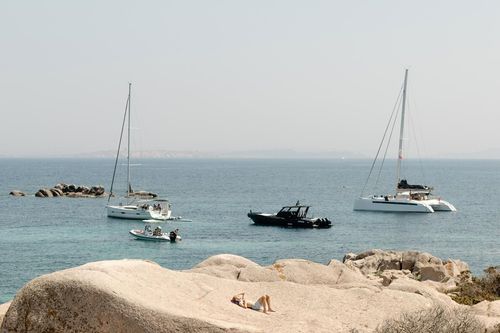
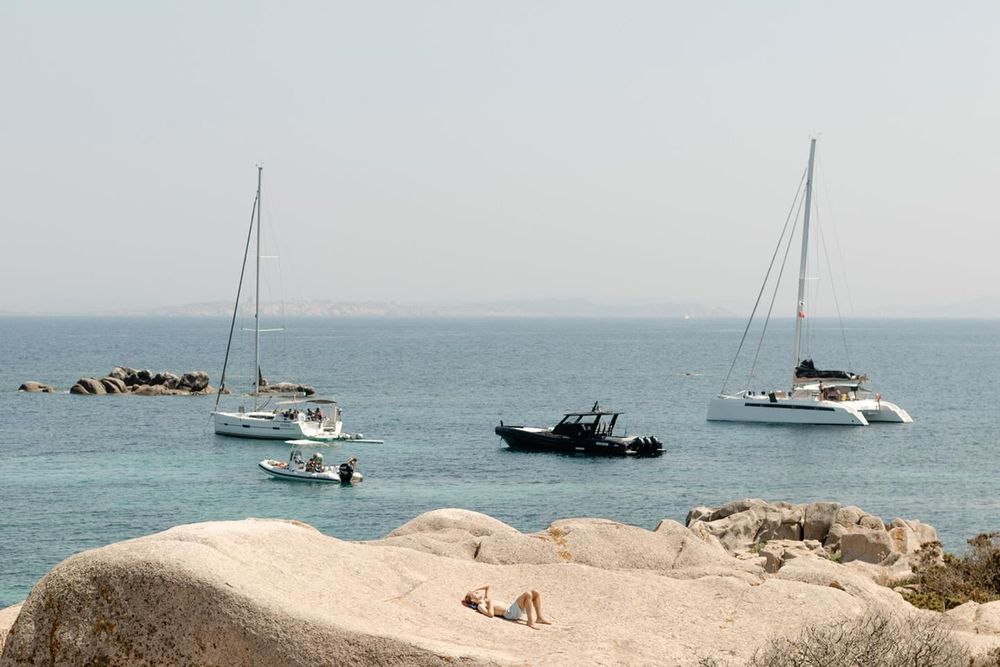
More significantly, the mayor announced plans to open access to this highly exclusive island and bring tourists to its shores. Until now, visitors could only set foot on Cavallo by booking a stay at the luxurious Hôtel des Pêcheurs, with its three restaurants, or by receiving a personal invitation from one of the 192 wealthy property owners who maintain residences there. Even yachters anchoring in the crystal-clear coves could use the beaches but were strictly prohibited from wandering onto the private paths monitored by five security guards.
A History of Exclusive Development
Cavallo's transformation into an exclusive retreat began in the late 1960s when Jean Castel, founder of the famous Parisian nightclub bearing his name, purchased the island. Castel acquired the entire Lavezzi archipelago and later struck a deal with Corsican authorities: he sold the rest of the archipelago to Corsica in exchange for permission to develop residences on Cavallo. This arrangement laid the groundwork for what would become known since the 1970s as the "island of billionaires."
The islet is the only inhabited island among the eight that make up the Lavezzi archipelago, which sits approximately 10 kilometers southeast of Bonifacio. Despite its exclusivity, Cavallo exists within the Natural Reserve of the Bouches de Bonifacio, a protected area covering 80,000 hectares between Corsica and Sardinia. The reserve hosts 37 percent of the Mediterranean's protected species, adding environmental significance to the island beyond its reputation for wealth and privacy.
Political and Criminal Tensions
Cavallo's status as a playground for the international jet set has long attracted unwanted attention. The island became a target for nationalist groups and organized crime, reflecting broader tensions in Corsican society where the boundary between political resistance and criminal activity has grown increasingly indistinct. Groups engaged in bombings, extortion, and racketeering have framed illicit activities as resistance against external rule.
The Corsican National Liberation Front, formed in 1976, exemplified this volatile mix of politics and violence. The group primarily used bomb attacks targeting property belonging to non-Corsican settlers, police stations, and government offices. In 1980 alone, more than 375 bombings in Corsica were attributed to the organization. Some militants later converted from clandestine activism to criminal enterprises involving intimidation and racketeering.
Regional Context and Future Plans
Orsucci's move to reclaim the marina fits within a broader regional pattern. Port concessions along the French Riviera typically expire between 2016 and 2027, with authorities increasingly imposing conditions on marina berth contracts to ensure economic viability and turnover. The reassessment of private port management reflects changing priorities in coastal governance.
For Bonifacio, Corsica's most popular tourist destination attracting thousands of visitors annually to its dramatic clifftop setting and nearby archipelago, opening Cavallo could carry significant economic implications. The mayor's plans represent a fundamental shift in how this secluded paradise will be managed and accessed.
Whether Orsucci can successfully transform Cavallo from an exclusive enclave into a destination accessible to the broader public remains to be seen. The challenge will be balancing tourism development with the environmental protections required within the Natural Reserve of the Bouches de Bonifacio, while navigating the complex interests of existing property owners who have long valued their privacy on this remote Mediterranean jewel.