
Largest known ancient coin workshop unearthed at Gallic site in central France
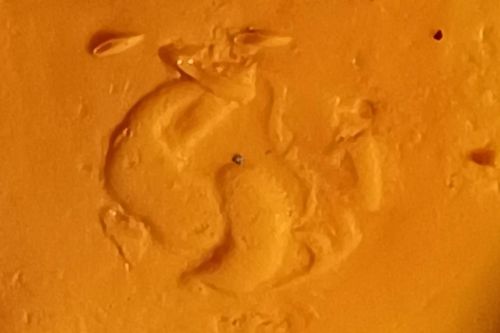
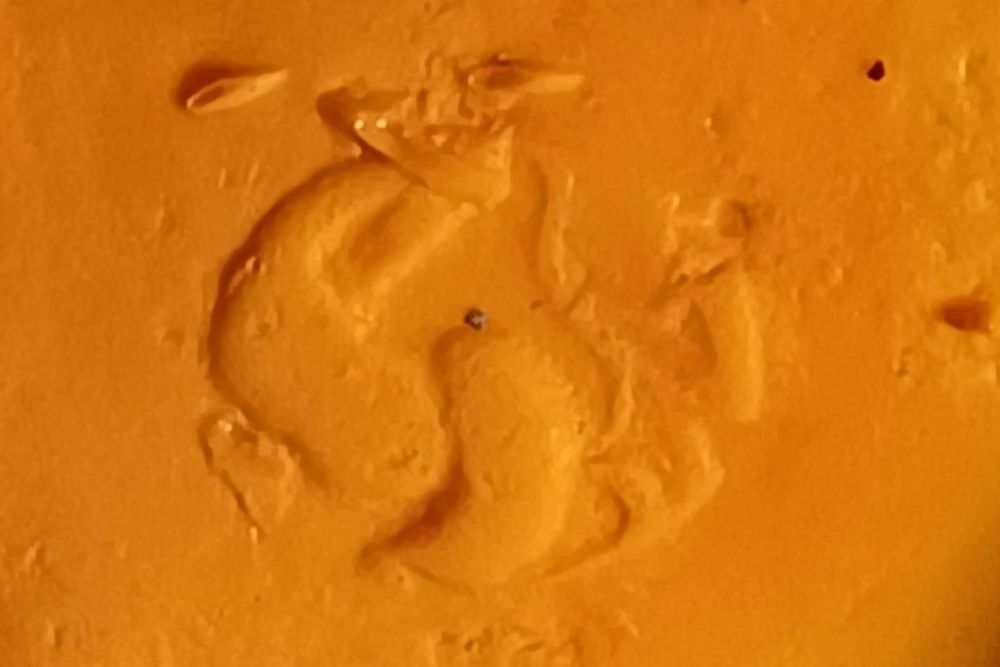
Archaeologists working at the Corent archaeological site in central France's Puy-de-Dôme department have uncovered what appears to be the largest coin workshop ever discovered from antiquity. The facility, which operated before the Roman conquest of Gaul, produced bronze coins as well as silver and gold staters that circulated widely across the region.
Matthieu Poux, a professor of archaeology at Lumière University Lyon 2 who has directed excavations at Corent since 2001, announced the discovery following this summer's excavation campaign. "Don't count your chickens before they hatch," he cautioned, though he expressed strong confidence that the find represents "the largest known coin workshop not only in Celtic Europe, but in the entire ancient world."
Dating and Historical Context
The workshop dates to the period before the Gallic Wars of 58 to 51 BCE, when Julius Caesar's military campaigns resulted in the Roman conquest of Gaul and ended Celtic independence in the region. The facility produced currency for the Arverni, one of the most powerful Gallic tribes who dominated extensive territory in central France. The Arverni had previously been defeated by Romans in 121 BCE but later rose again under the famous chieftain Vercingetorix, who defeated Caesar at Gergovia in 52 BCE before his capture at Alesia the following year.
The Workshop Structure
The excavation site, spanning approximately 500 square meters, reveals the sophisticated infrastructure of ancient Celtic coin production. Poux walked through the area on September 15, shortly before crews covered it to protect against looters until the next campaign. To untrained observers, the field of stones might seem unremarkable, but the specialist identified crucial structures: a thick wall between 1 and 2 meters wide stretching at least 40 meters, intersected by a narrow passage and flanked by small rooms equipped with hearths and kilns supplied with water.
The Corent Oppidum
The Corent site itself held immense political and economic significance in the pre-Roman era. The oppidum was probably the capital of the Arverni people, a vast Gallic city covering over 50 hectares that operated between approximately 120 and 50 BCE. Its strategic location on a plateau allowed control over access to the Limagne plain and communication routes connecting lower Auvergne to southern France. Natural high cliffs provided protection, while natural water sources supported the population and industrial activities.
Celtic Coin Production
Celtic coin workshops were typically situated in well-protected hillforts known as oppida, which spread across Celtic Europe from the 2nd century BCE. These facilities used sophisticated techniques, including clay molds capable of producing 50 or more coin blanks simultaneously. Celtic coinage itself evolved from the late 4th century BCE to the mid 1st century CE, initially imitating Greek and Macedonian designs, especially coins from Philip II and Alexander the Great, before Celtic engravers developed distinctive styles of their own.
A Major Economic Hub
The scale of economic activity at Corent extended beyond coin production. In 2015, archaeologists discovered an important Iron Age storage site nearby with approximately 1,000 grain silos, with a capacity at least three times larger than similar sites in Germany, Berry, or Catalonia from the same period. This finding underscores the oppidum's role as a major economic hub.
This summer's excavation involved approximately one hundred students and volunteers who worked through challenging conditions, including heatwaves and torrential rains. The Puy-de-Dôme Departmental Council, which has owned the archaeological site since 2007, has supported ongoing research and undertaken enhancement projects including landscaped trails and virtual reality experiences to make the historical significance of Corent accessible to the public.
The discovery adds crucial evidence to understanding the economic sophistication and political power of the Arverni before Roman conquest fundamentally reshaped the region's political landscape.