
Château de Versailles celebrates 20 years since Sofia Coppola's 'Marie Antoinette'
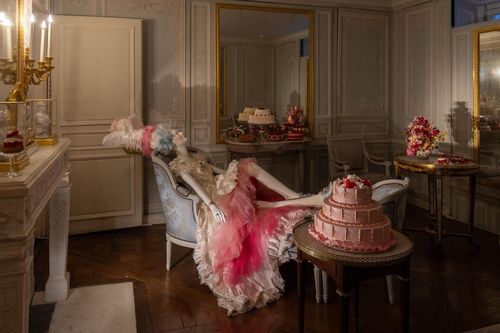
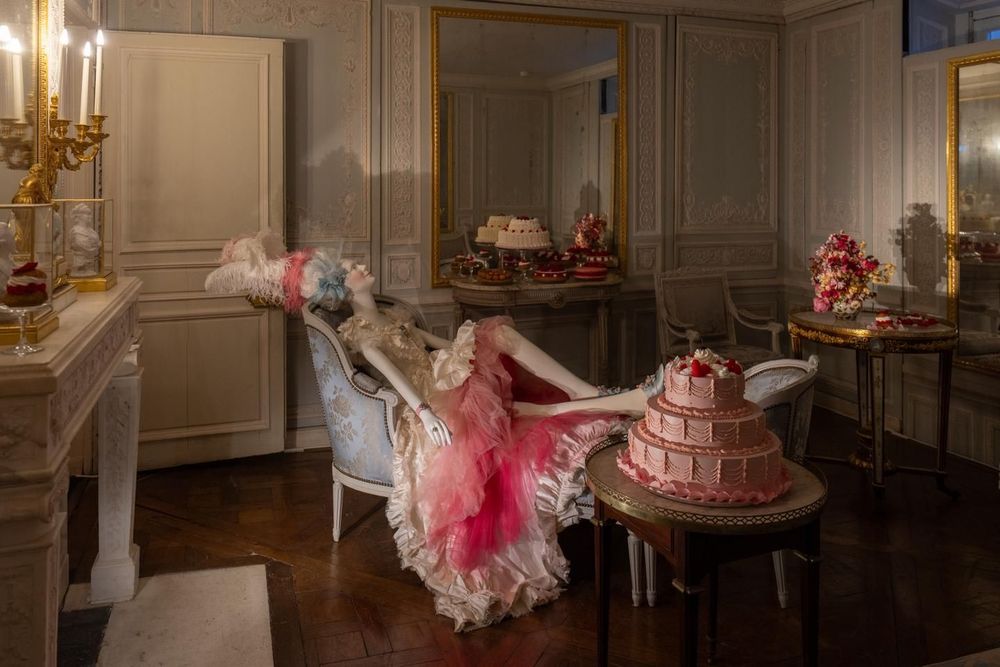
Twenty years after Sofia Coppola transformed the Château de Versailles into a film set, the Petit Trianon welcomes visitors back to explore the world of her cult classic Marie Antoinette. The exhibition, opening this month, immerses guests in the atmosphere and production secrets of the 2006 film that sparked controversy at Cannes but went on to earn critical acclaim and a devoted following.
An Unprecedented Production at Versailles
On March 14, 2005, the Dauphine's apartments at the Petit Trianon buzzed with unprecedented activity. A crew of 300 people, led by Coppola, took over this 18th-century jewel for an extraordinary filming project. For 19 consecutive Mondays—the palace's weekly closing day—the American filmmaker and her team reimagined history, capturing a fresh vision of Marie Antoinette portrayed by Kirsten Dunst.
The production required special authorization and came at a significant cost: €15,000 per day, totaling €300,000 for filming exclusively on Mondays and at night to avoid disrupting tourist visits. Coppola's exceptional access extended beyond the Petit Trianon. She was granted permission to film a wedding ball scene in the Hall of Mirrors, even though it was closed for renovation work at the time—a privilege rarely extended to filmmakers at this historic site, which has hosted nearly 240 film productions since 1896.
A Controversial Vision of the French Queen
Based on Antonia Fraser's 2001 biography Marie Antoinette: The Journey, Coppola's screenplay traced the coming-of-age story of a 14-year-old Austrian archduchess thrust into the rigid formality of the French court. The director crafted a portrait of youthful rebellion and suffocation, depicting the queen as frivolous and unconstrained by etiquette—a vision that drew boos when the film premiered at the Cannes Film Festival on May 24, 2006, where it competed for the Palme d'Or.
Despite its contentious Cannes reception, the film resonated with audiences worldwide. Produced on a $40 million budget, it grossed $60.9 million globally and drew 1.6 million admissions in France alone. The film's distinctive visual aesthetic became its signature: Coppola had instructed costume designer Milena Canonero to draw inspiration from a box of Ladurée macarons, creating a palette of gentle pastels that evoked both the rococo period and contemporary sensibilities.
Artistic Recognition and Lasting Impact
Canonero's work earned recognition beyond the initial controversy. In 2007, she won the Academy Award for Best Costume Design for Marie Antoinette, her third Oscar in a career that would eventually total four wins. The achievement underscored the film's lasting artistic impact despite its polarizing debut.
The venue for the current exhibition carries its own historical significance. The Petit Trianon, completed by architect Ange-Jacques Gabriel in 1768, was gifted to Marie Antoinette by Louis XVI in 1774, making her the first queen in French history to own property. She transformed it into her private retreat, establishing a protocol known as de par la Reine (by order of the Queen)—even the king required express permission to enter. This intimate refuge from court life became central to both the historical queen's story and Coppola's cinematic interpretation.
The Exhibition Opens at the Petit Trianon
For the exhibition opening, Coppola traveled from the United States with actor Jason Schwartzman and costume designer Canonero. The director collaborated closely with Laurent Salomé, director of the Musée National des Châteaux de Versailles et de Trianon, and Hélène Delalex, chief heritage curator at Versailles, to design the presentation.
I've been watching the Petit Trianon take shape for eight months. I'm delighted to finally showcase this work.
Coppola said at the opening. The exhibition invites visitors to step behind the scenes of a production that challenged conventional historical portrayal, offering what Le Monde described at the time as
a sort of Lady Di attending masked balls and parties, a queen slandered and suspected of being 'lost in transgression'... a teenager suffocating amidst sugary pink decor.
Two decades after its controversial debut, Marie Antoinette has secured its place as a transformative work in both cinema and cultural memory—a rock-and-rococo vision that continues to reshape perceptions of one of history's most scrutinized figures.