
US court sides with Pentagon in Anthropic AI ban
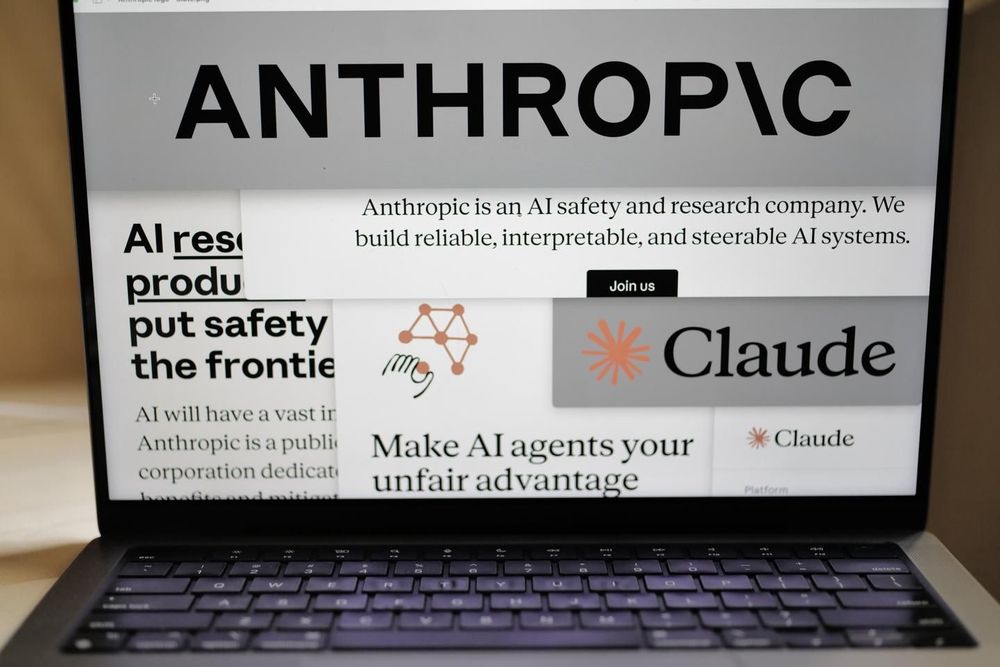
A US appeals court upheld on Friday the Pentagon's decision to exclude Anthropic from its supply chain, a ruling that validates the military's ban on the AI startup after it refused to remove certain safeguards on its Claude model.
The dispute originated in February when Anthropic declined Pentagon Secretary Pete Hegseth's demand to eliminate restrictions preventing the use of Claude for fully autonomous lethal weapons and mass domestic surveillance of Americans. The Pentagon formally designated Anthropic a supply chain risk in March, canceling the company's military contracts and prohibiting other defense contractors from using its technology.
Prior to the ban, the military had deployed Claude across various classified and sensitive systems. According to the court decision, an Anthropic executive questioned the use of Claude by Pentagon contractor Palantir during the military operation that captured Venezuelan President Nicolas Maduro on January 3.
This objection "led to alarm" and "raised material doubts as to whether they would cause their software to stop working or cause some other disastrous action that would put our warfighters' lives in danger," according to Under Secretary of Defense Emil Michael, as quoted in the court opinion.
Technical dispute over model control
Anthropic maintains it cannot modify its models once delivered to the military. However, the Washington appeals court found that the company determines the behavior of each new version, and the military must keep systems updated with the latest offerings.
Judge Gregory Katsas, writing for two of the three appellate judges, stated that "in our Republic, it is the President and the Secretary of War who must determine how best to balance" risks.
The designation against Anthropic marked a highly unusual application of the authority against a US company. The Pentagon immediately turned to Anthropic's competitors, with OpenAI signing an agreement on the same day as Anthropic's ban. Elon Musk's xAI, which develops Grok, signed in February, while Google and Microsoft followed several months later.
Political fallout and competing rulings
Anthropic has since become isolated at the White House, despite playing a major role in the AI sector and heading toward a blockbuster IPO expected within weeks, with a valuation approaching one trillion dollars.
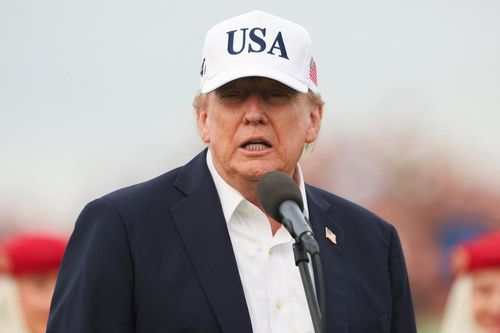
The White House has also criticized Anthropic CEO Dario Amodei's repeated warnings about AI dangers, with President Donald Trump calling them a hoax. Under Secretary Michael celebrated the ruling on social media, writing: "The hammer of justice has smashed Anthropic arguments. Warfighters will sleep better knowing that no private company will insert their opinions in the chain of command."
The appeals court decision conflicts with a separate federal court ruling in California last month that found a broader ban imposed by the Trump administration against Anthropic was illegal. The Pentagon decision upheld on Friday was based on public procurement regulations and remains in effect.
An Anthropic spokesperson told US media: "We respectfully disagree with the court's decision. Another federal court has already held the government's parallel designation unlawful. We remain confident in our position and are considering all options, including further review."