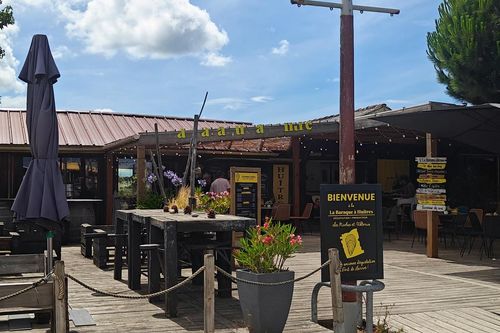

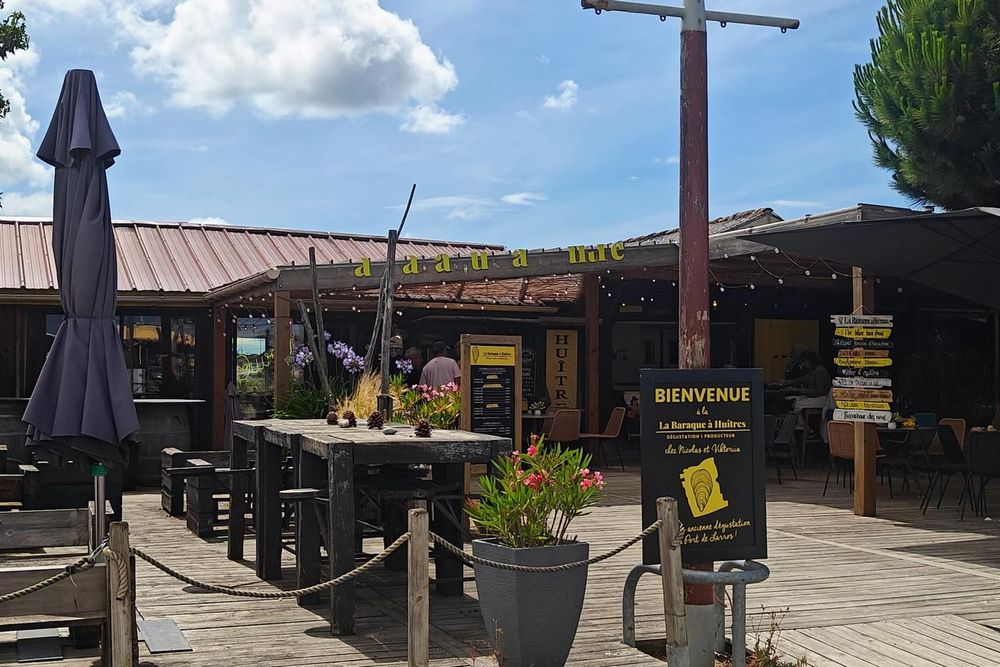
The delicate oysters of Viktoria and Nicolas Courbin's shack in Gujan-Mestras, Gironde
When Nicolas Courbin detected the acrid smell of burning wood on July 22, his instincts immediately signaled danger. Hours later, watching the northern shores of Arcachon Bay consumed by flames beneath a crimson sky, the oyster farmer understood that his summer season at La Baraque à huîtres in Gujan-Mestras would face unprecedented challenges.
The massive wildfire, which would eventually consume approximately 42,000 hectares of pine forest and destroy 240 homes before firefighters brought it under control on July 30, marked the largest blaze France had witnessed since the devastating 1949 Landes forest fire that scorched around 50,000 hectares. While favorable winds pushed the flames southeast, sparing the docks of Port Larros where Nicolas and his wife Viktoria operate one of the town's oldest oyster establishments, the indirect impact proved equally severe.
The crisis triggered the evacuation of approximately 220,000 people from the Gironde region, emptying the bay of the tourists who form the economic lifeblood of businesses like the Courbins'. In a region where tourism generates seven percent of the GDP and employs 40,000 people, the sudden absence of visitors created what Nicolas described as both a sensory and financial shock.
A Heritage Under Threat
The Courbins' establishment sits in Gujan-Mestras, known as the Capital of Oyster Farming, where seven ports serve an industry with roots stretching back to the mid-19th century. The first oyster beds in Arcachon Bay were created in 1859 under Napoleon III's patronage, building on oyster farming operations that had begun production around 1849. This deep heritage explains why structures like La Baraque à huîtres, among the oldest oyster shacks in town, carry such cultural significance.
The bay itself creates ideal conditions for oyster cultivation. Covering 155 square kilometers at high tide and shrinking to just 40 square kilometers at low tide, these dramatic tidal variations ensure daily water renewal and nutrient richness. About 350 oyster farmers work these waters, producing 8,000 to 10,000 tonnes of oysters annually, a modest output compared to Brittany's 35,000 tonnes but one that defines the local economy.
Tourism and Aquaculture Intertwined
The relationship between oyster farming and tourism in Arcachon Bay operates synergistically. Oyster cultivation serves as a major tourist attraction, while visitors provide crucial additional revenue through restaurants and farm tours. This interdependence meant that the wildfire's impact on the Courbins extended beyond immediate danger to their property.
The Gironde blaze formed part of a broader national crisis. By July 26, French Interior Minister Laurent Nuñez reported that the country was battling 30 to 40 wildfires daily, with over 115,000 hectares burned across France since the year began. The exceptional severity of the fire season amplified the challenges facing coastal businesses dependent on summer tourism.
For the Courbins, whose livelihood depends on both the quality of their oysters and the flow of customers willing to taste them, the weeks of crisis represented more than lost revenue. They witnessed an apocalyptic vision that threatened not just their business but a way of life sustained for generations along these shores, where the rhythm of tides and the cultivation of oysters have shaped communities for nearly two centuries.