
Wages emerge as central battleground in France's 2027 presidential race
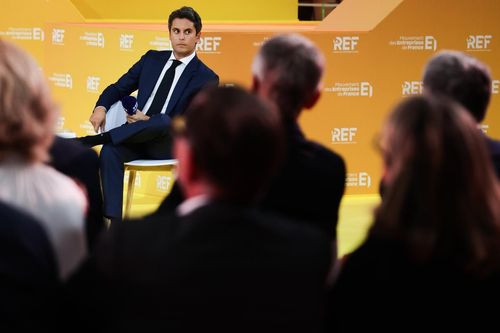
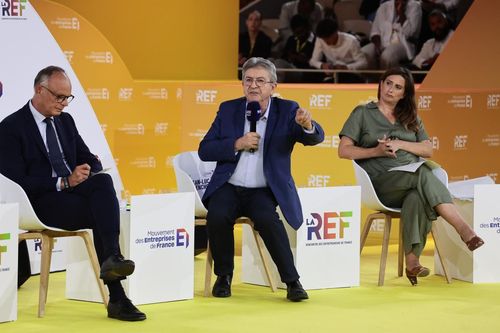
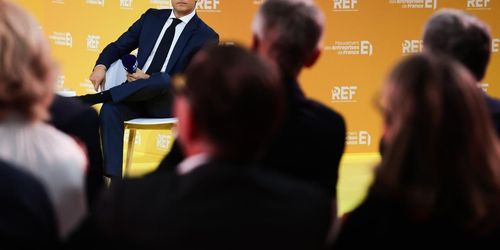
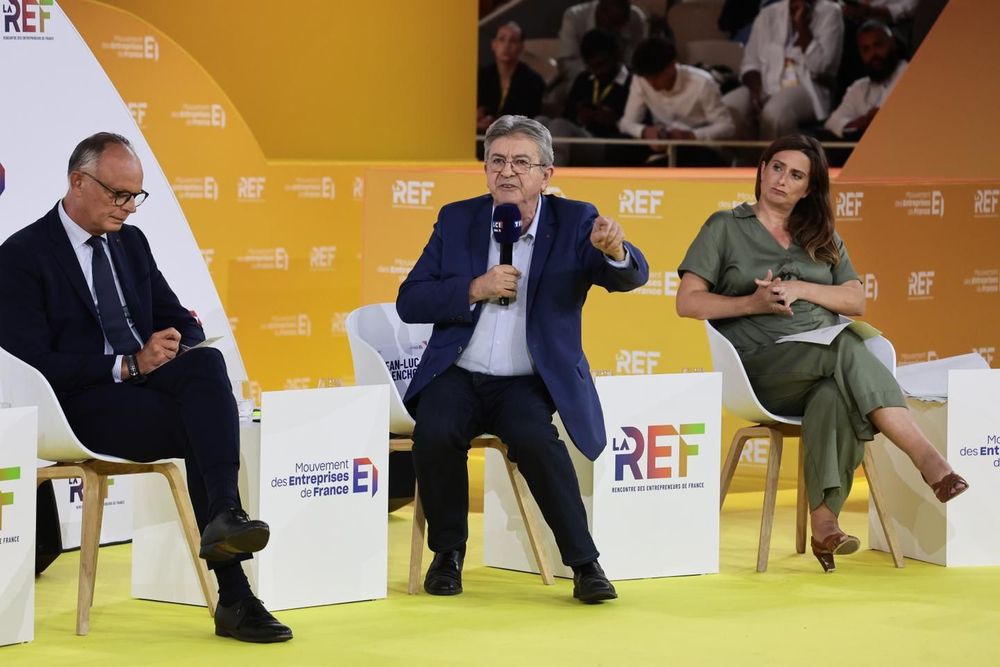
A brief exchange during a presidential debate has crystallized one of the most contentious issues facing French voters ahead of the April 18, 2027 election. When Jean-Luc Mélenchon advocated for raising the minimum wage at an August 27 forum organized by MEDEF, France's largest employer federation representing over 750,000 member firms, part of the audience responded with laughter. The incident has since evolved into a flashpoint in the campaign, underscoring deep divisions over economic policy.
The debate, which featured seven candidates including former Prime Minister Édouard Philippe of the center-right Horizons party and Marine Tondelier of the Greens, was intended to address economic concerns. When asked about wages, Mélenchon's response was characteristically direct: "We need to raise them. We need to raise the minimum wage." The laughter that followed prompted an immediate retort from the candidate. "If you don't raise wages, you won't be laughing for long, because you'll have a recession," he said.
The reaction cannot be taken as representative of the entire French business community's position. The exchange occurred during a lengthy discussion in which Mélenchon had digressed repeatedly, creating an impression he had lost focus. Whether the laughter reflected dismissal of his proposal or simply reaction to a confusing moment, the discomfort it generated pointed to deeper tensions in France's economic debate.
A campaign defining moment
The laughter and subsequent outcry have made wages one of the defining issues of the 2027 race. This presidential election marks an open contest, as incumbent President Emmanuel Macron is constitutionally barred from seeking a third consecutive term. For Mélenchon, running his fourth presidential campaign after receiving 21.9% of first-round votes in 2022, the incident offered a political opportunity.
"That moment marked MEDEF's failure. And I intend to make the most of the situation."
Mélenchon declared during a September 2 conference in Paris. His campaign has sought to frame the exchange as evidence of business leaders' disconnect from workers' economic struggles.
The minimum wage debate carries particular weight given current economic realities. As of June 1, 2026, France's statutory minimum wage stands at €12.31 per hour gross, translating to €1,867.02 per month for a standard 35-hour workweek. This represents a 2.41% increase from the January 2026 rate. Approximately 2.2 million people, or 12.4% of French employees, earn the minimum wage, making any proposed changes to the SMIC a matter affecting a substantial portion of the workforce.
Broader electoral context
The wage dispute emerges against a complex political landscape. Polls currently show Jordan Bardella of the National Rally leading the race, though the outcome remains uncertain. The debate featured candidates spanning the political spectrum, from Mélenchon's La France Insoumise, the left-wing movement he founded in 2016, to center-right and green party representatives.
Whether that moment of laughter reflected genuine scorn for raising the minimum wage or was simply a reaction to an awkward exchange, it has succeeded in placing purchasing power at the center of France's presidential conversation. As the campaign intensifies ahead of the April vote, with a potential second round scheduled for May 2 if no candidate secures a majority, the economic anxieties underlying that brief episode show no signs of fading.