
Kallas Takes Charge of EU Diplomatic Service Reform
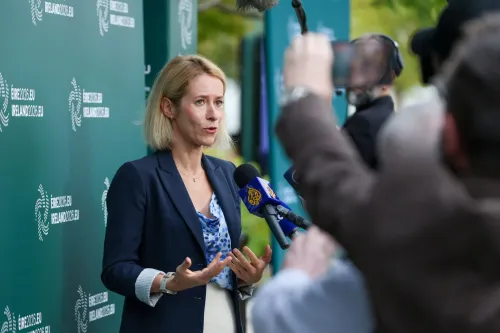
Nine months into her tenure as the European Union's high representative for foreign affairs and security policy, Kaja Kallas is working to revitalize the European External Action Service (EEAS), an institution currently facing significant challenges. The former Estonian prime minister, who assumed the position in December 2024 for a five-year term, has made key appointments to strengthen the diplomatic service's leadership structure.
Kallas has placed experienced figures in critical roles within the organization. Kajsa Ollongren, who previously served as Dutch defense minister, took over as secretary general on September 1, 2026, replacing Belén Martínez Carbonell. David Cvach, formerly France's ambassador to NATO, has been named deputy secretary general for defense. Additionally, Matti Maasikas, an Estonian diplomat who served as EU ambassador to Ukraine during Russia's full-scale invasion in 2022, was appointed deputy secretary general for geoeconomics and interinstitutional issues.
Navigating Institutional Tensions and Reform Pressures
The push for reform comes as Kallas navigates regular criticism of European foreign policy and ongoing institutional tensions with European Commission President Ursula von der Leyen, who maintains significant influence over major diplomatic and security matters including Ukraine, the Middle East, and European defense development. These pressures have compelled Kallas to pursue new initiatives to strengthen the EEAS's effectiveness.
The EEAS, established in December 2010 following the Treaty of Lisbon, serves as the EU's diplomatic service and operates 145 delegations worldwide. These missions represent the EU's presence abroad and serve as the frontline for protecting European interests internationally. The organization's role has evolved significantly since the position of high representative was originally created by the Treaty of Amsterdam in 1999. The Treaty of Lisbon substantially expanded the role, adding responsibilities as vice president of the European Commission and chair of the Foreign Affairs Council.
Ministers to Discuss Reform Proposals
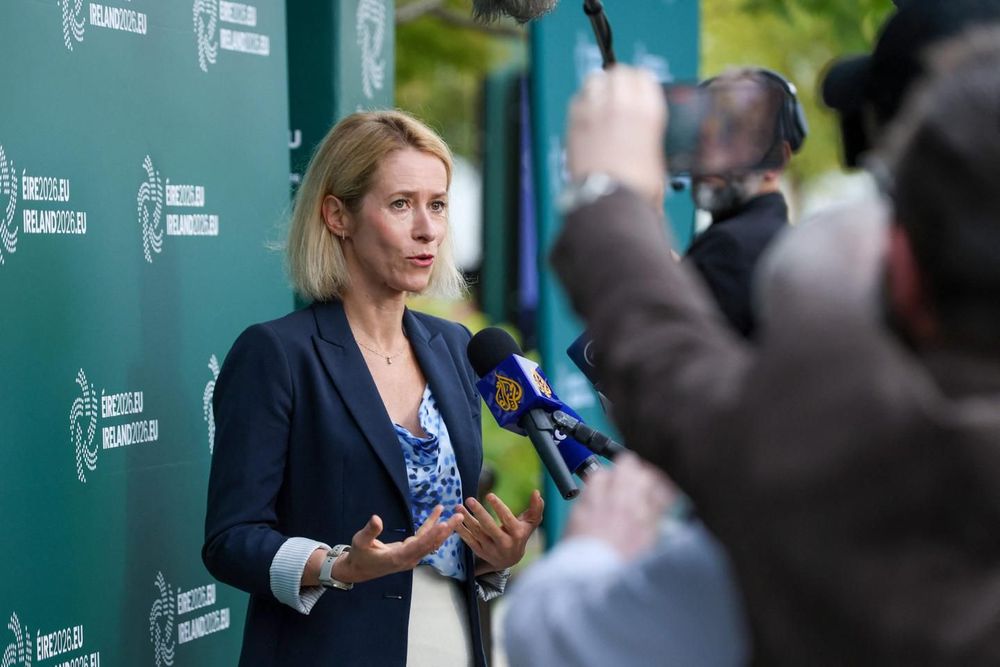
On Wednesday, September 2, Kallas plans to present her proposals for enhancing both the diplomatic service and broader EU foreign policy effectiveness during an informal meeting of foreign ministers in County Wicklow, south of Dublin. The gathering, known as a Gymnich meeting, provides an opportunity for ministers to discuss strategic directions in a less formal setting.
Paris and Berlin are particularly active in these reform discussions and intend to submit their own proposals during the meeting. The Franco-German initiatives are expected to be debated further at the European Council scheduled for mid-October, reflecting the continuing effort by major member states to strengthen coordination mechanisms within EU foreign policy.
Kallas Brings Strong Foreign Policy Credentials
Kallas brings substantial foreign policy credentials to her current role. During her tenure as Estonia's prime minister from January 2021 to July 2024, she made history as the country's first woman to hold that position. Under her leadership, Estonia became one of Ukraine's strongest supporters, transferring military aid equivalent to 3.05% of its GDP by 2026, making it one of the highest contributors relative to economic size among European nations.
The reform efforts come at a time when the EEAS manages substantial resources and a complex global network. While precise current figures are not publicly available, the service operated with a budget of approximately €694.8 million in 2019, divided between headquarters operations (€249.7 million) and delegation activities (€445.1 million).
The outcome of these reform discussions will likely shape how the EU coordinates its foreign policy in the coming years, particularly as the bloc faces ongoing challenges in Ukraine, the Middle East, and in developing a more cohesive European defense posture. The proposals from Kallas, France, and Germany represent different visions for strengthening the EU's capacity to act as a unified global actor.