
France submits revised social media ban for under-15s after constitutional setback
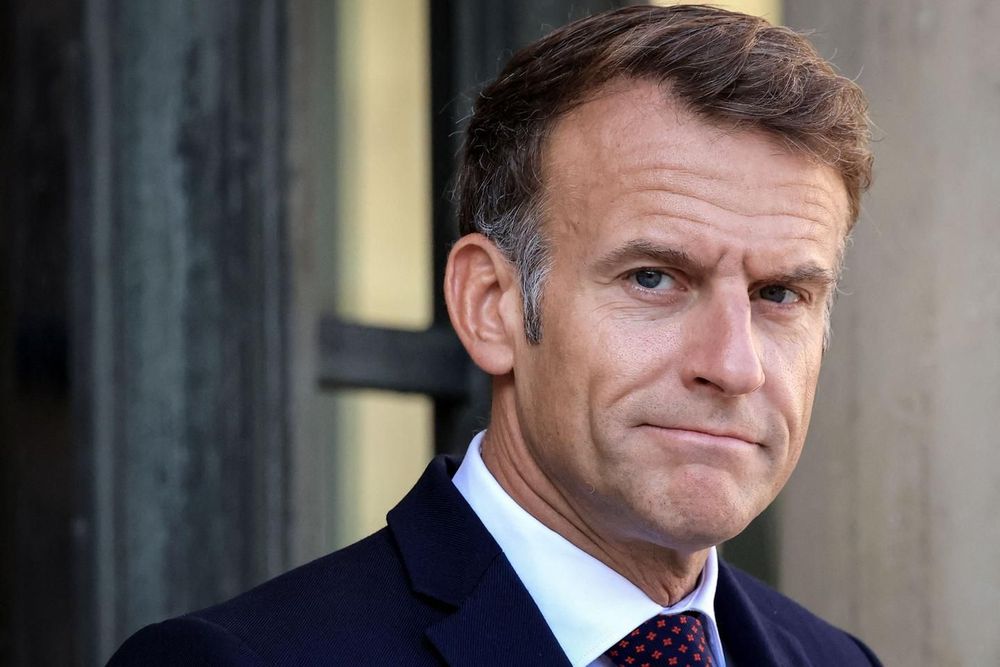
The French government has submitted a revised proposal to ban social media access for children under 15, President Emmanuel Macron announced on Monday, September 14. The move comes after France's Constitutional Council struck down the original legislation on August 14, 2026, ruling that it violated Article 11 of the Declaration of the Rights of Man and of the Citizen of 1789, which protects the free communication of thoughts and opinions.
"After rigorous technical work the government today is notifying" the European Commission of the new draft, Macron wrote on X. The notification represents a critical procedural step, ensuring the legislation aligns with European Union laws before it can be implemented.
The original ban had been passed by the French parliament on July 21, 2026, and was scheduled to take effect on September 1, at the start of the 2026-27 school year. However, the Constitutional Council deemed it incompatible with both freedom of expression and the right to privacy, forcing the government back to the drawing board.
Macron has made restricting children's social media use a top priority and hopes to see a working ban in force before he leaves office next year. The president has also been pushing for similar measures across the European Union. In a letter dated August 29, 2026, to European Commission President Ursula von der Leyen, Macron urged the EU to harmonize a ban on social media platforms for children under 15 across all member states.
EU considers tiered approach
Von der Leyen is scheduled to address a possible bloc-wide social media ban for children in a speech in Brussels this week. In July 2026, she announced that the EU would present a tiered approach for social media restrictions, with children under 13 only allowed limited, supervised access, and restrictions easing gradually as teenagers get older. This graduated system differs from France's blanket ban approach.
France's efforts to regulate children's social media access are not new. The country passed a law in 2023 requiring social platforms to obtain parental consent for under-15s to create accounts, though technical challenges have impeded its enforcement. France has also banned mobile phones in primary and middle schools since 2018, establishing a precedent for restricting children's digital access.
Global wave of restrictions
France is part of a growing international movement to limit children's social media use. Australia became the world's first country to implement a social media ban for children under 16 in December 2025, with platforms facing fines of up to 49.5 million Australian dollars for non-compliance. However, a study by Australia's internet regulator eSafety in August 2026 found that more than eight in 10 Australian children under 16 continue to use social media despite the ban, highlighting enforcement challenges.
The United Kingdom announced plans in June 2026 to ban social media for people under 16, with implementation targeted for spring 2027. According to the OECD, 25 member and accession countries had social media age restrictions in force, enacted, or under active consideration as of April 2026, up from just one in 2023. Only three countries—Australia, Brazil and Indonesia—currently have laws in force.
A growing number of countries are taking steps to restrict social media access amid multiplying warnings over its harmful effects on children.