
Canada announces retaliatory tariffs after collapse of US trade negotiations
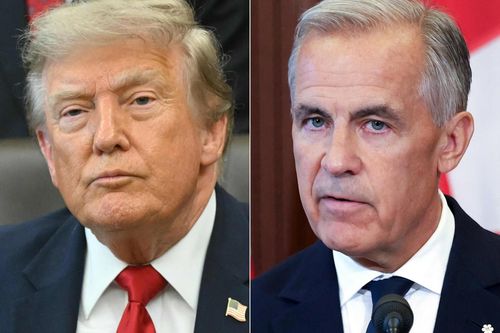
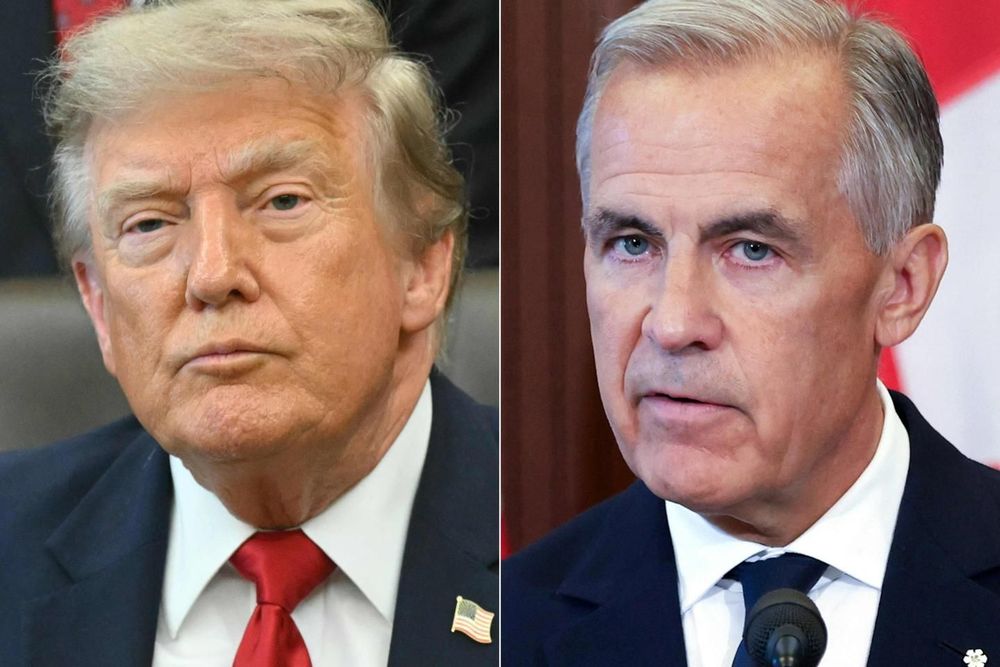
Canadian Prime Minister Mark Carney announced Saturday that Canada will impose retaliatory tariffs on the United States after trade negotiations collapsed in Washington, deepening a rift between the longtime allies that has escalated since Carney assumed office in March 2025 following Justin Trudeau's resignation.
The breakdown in talks allowed new 50-percent US tariffs affecting approximately $20 billion worth of goods—representing 5.5 percent of Canadian exports to the United States—to take effect Friday. The duties, which President Donald Trump imposed using Section 338 of the Tariff Act of 1930, target products ranging from hockey sticks to cement.
Speaking in Ottawa, Carney said the United States had set conditions that were ultimately unacceptable.
"We believed earlier this week that we were moving towards a mutually beneficial agreement. In recent days, the United States proposed new terms that were uneconomic, unfair, and undermined the net benefits for Canada, and called into question the reliability of any deal. In short, they asked too much and they offered too little."
The prime minister, who previously served as Governor of the Bank of Canada from 2008 to 2013 and Governor of the Bank of England from 2013 to 2020, declared:
"We cannot accept what they've offered, and we will not give what they've asked."He accused Trump of launching a trade war, stating,
"You're at war when you get attacked. We got attacked."
Counter-tariffs to target key US sectors
Canadian retaliatory measures will notably target the US steel and dairy industries and take effect September 8, with additional details to be announced next week. The announcement builds on nearly $25 billion in support Canada has already provided to workers and businesses over the past 18 months in response to ongoing trade tensions.
US Trade Representative Jamieson Greer said Friday that Washington had offered "significant tariff reductions on steel, aluminum, autos and lumber" in exchange for concessions from Canada. A senior US official characterized the talks as candid but not acrimonious. However, in a Saturday Fox News interview, Greer said the US was "moving forward with measures that respond to Canadian retaliation" and noted it was unclear if negotiations could resume soon.
The stakes extend beyond immediate tariffs. On July 1, 2026, the USMCA underwent its mandatory six-year review, during which the United States declined to renew the agreement in its current form, triggering annual reviews until the pact expires in 2036 unless extended. Trump has also repeatedly threatened to make Canada the 51st US state, further straining relations.
Asymmetric economic impact
The trade conflict poses particularly acute challenges for Canada, where trade with the United States represents approximately two-thirds of the country's GDP, compared to only about 24 percent of US GDP. This asymmetric dependence underscores the pressure facing Carney, who has appointed Janice Charette as Canada's first Chief Trade Negotiator to the United States specifically to handle these complex negotiations.
Ryan Majerus, a former US commerce official now with King & Spalding, told Agence France-Presse that "both sides will face significant pressure in the coming days to find an off-ramp." Senator Amy Klobuchar of Minnesota warned that the escalating trade war will raise costs for her state's businesses, farmers and families, noting that "Canada is Minnesota's #1 trading partner."
Relations between Trump and Carney were particularly damaged by the Canadian leader's speech at the World Economic Forum in Davos in January 2026, where he declared that the global order was experiencing a "rupture" and called for middle powers to unite rather than compete for favor from great powers. Trump took issue with Carney's assessment that "America has changed" and that Canada must reduce its reliance on its southern neighbor.
The current dispute echoes Trump's first-term strategy. In 2018, while renegotiating NAFTA, he imposed 25-percent tariffs on steel and 10-percent tariffs on aluminum that Canada eventually navigated before the duties were lifted.
Despite the pressures, Canada has made progress diversifying its export base. In 2025, Canadian exports to the United States dropped 3.7 percent, but this was offset by an 11.1 percent increase in exports to non-US markets, which now account for 32.8 percent of total Canadian exports—the highest proportion in four decades.
"We've been under no illusions. We recognized from the start that America has changed. We recognize that sometimes, its signature was written in pencil."Carney told reporters Saturday.