
UAE halts all trade with Iran following reported missile strikes
The United Arab Emirates announced on Tuesday, August 18, the immediate suspension of all trade, commercial exchanges and financial transactions with Iran, dealing a severe blow to the Islamic Republic's economy. The move follows allegations that Tehran fired two ballistic missiles toward Emirati territory earlier that day.
The suspension represents a dramatic rupture in relations between the two Gulf neighbors. According to April 2026 estimates, the UAE accounted for 12.5% of Iran's exports and 30.43% of Iran's imports, making it Tehran's second-largest trading partner after China, with bilateral trade valued at approximately $27-30 billion annually.
Alleged Missile Attack Triggers Response
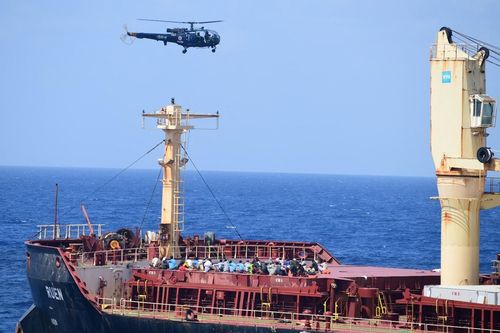
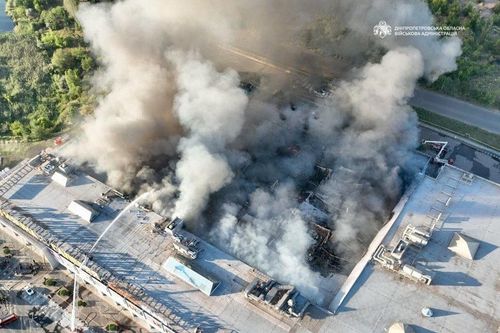
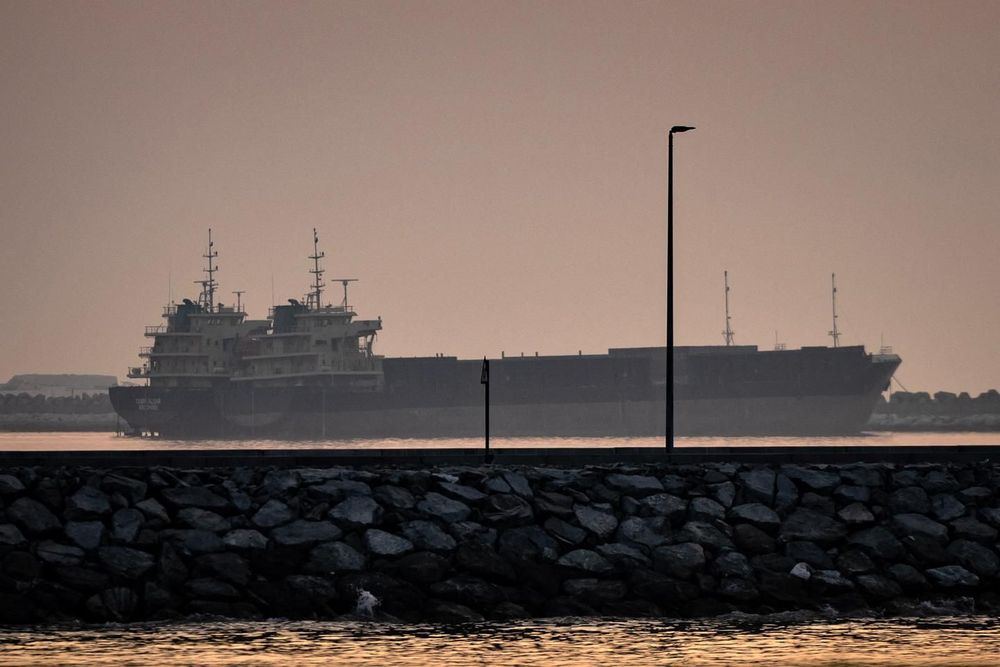
Hours before the trade suspension was announced, the Emirati defense ministry claimed Iran had launched two ballistic missiles toward the UAE, triggering emergency alerts on residents' mobile phones. This would mark the first direct attack attributed to Tehran against the country since May. Defense authorities stated one missile landed outside territorial waters while the second fell within them, with trajectories suggesting maritime navigation was the intended target rather than Emirati territory.
Iran swiftly denied the accusations. Esmail Baghaei, spokesperson for the Iranian foreign ministry, dismissed the claims as "unfounded accusations" that undermine efforts to "build trust" between the two nations.
Strategic Economic Blow
The Emirati foreign ministry stated the suspension would remain in effect "until further notice," citing "regional escalations that undermine regional and international peace and security."
The decision carries profound implications for Iran's ability to access international markets. Dubai has served as a critical re-export hub for Iran, enabling Iranian companies to access foreign goods and conduct international financial transactions despite U.S. sanctions, with goods from third countries routed through UAE intermediaries before reaching Iran. This channel has been vital for Tehran to circumvent Western economic pressure.
World Trade Organization figures from 2024 show that before the current conflict, the UAE provided more than 30% of Iran's imports valued at approximately $21 billion and was the destination for nearly 13% of its exports worth about $7 billion. Iran's total non-oil trade from March 2025 to January 2026 reached $94 billion, with the UAE, China, India, Turkey and Germany among its top trading partners.
While China remains Iran's largest trading partner, accounting for roughly 90 percent of Iran's exported oil according to U.S. sources, with non-oil bilateral trade standing at $34.1 billion in the Iranian year ending March 20, 2025, the loss of UAE trade routes represents a critical vulnerability for Tehran.
Cyclical Diplomatic Tensions
This marks the second major diplomatic rupture between the two countries in a decade. The UAE downgraded diplomatic relations with Iran in January 2016 following attacks on Saudi diplomatic missions in Tehran, but restored full diplomatic relations in 2022 when Abu Dhabi sent its ambassador back to Tehran after six years. The recent thaw now appears to have definitively ended.
The suspension comes as Iran faces mounting economic pressure. The Iranian government reported in April 2026 that ongoing conflict has cost the country approximately $270 billion in direct and indirect damages, while Iran's currency ranks among the world's weakest.
The ballistic missiles allegedly fired at the UAE would have come from Iran's substantial arsenal. The Islamic Republic possesses the largest stockpile of ballistic missiles in the Middle East region, with an estimated 2,500 missiles as of February 2026, including short-range and medium-range systems with a declared operational range of up to 2,000 km.