
Mandatory pilotage and strict regulations
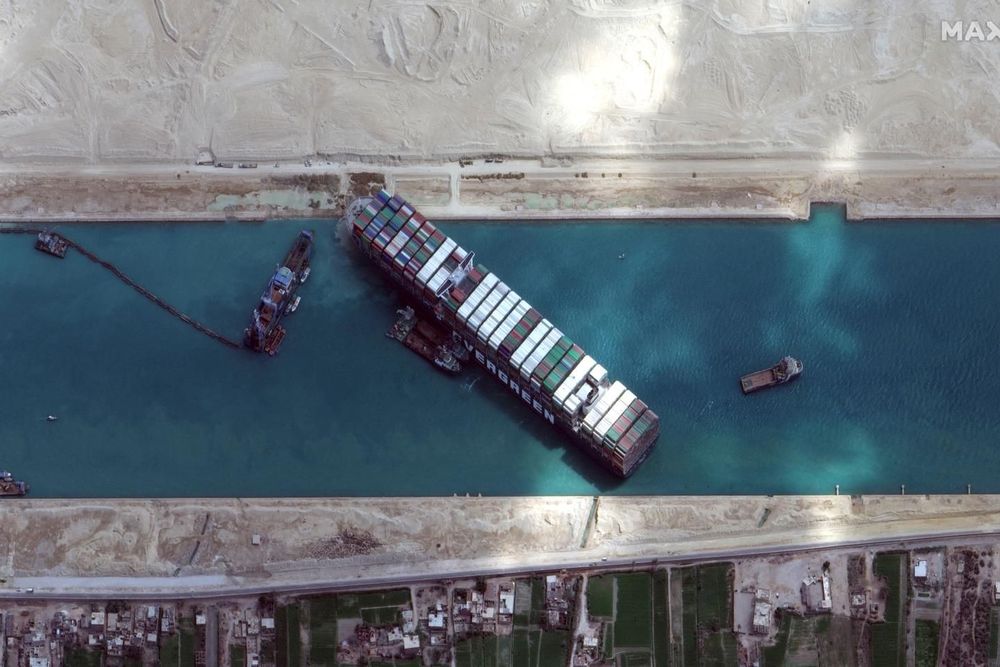
For observers on land, ships passing through the Suez Canal appear to sail through the desert. For sailors, the experience is profoundly different. "We spend our lives at sea. At night, it's black. During the day, it's blue. So, when we go through the canal, it warms our hearts," said Ravikumar Chawdary, a 45-year-old Indian engineer, during a June meeting. "We feel like we're on land. There are people sitting at café terraces, others swimming, cars honking their horns."
Chawdary had just completed four months aboard a Suezmax-class oil tanker. These vessels are specifically designed to transit the canal while fully loaded, with deadweight tonnage ranging from 120,000 to 200,000 DWT and a maximum draft of 20.1 meters. The largest can carry up to 240,000 metric tons of crude oil.
He checked into the Red Sea Hotel in Suez alongside Rey Salvi, a Filipino navigator who had finished a six-month stint at sea. "It's always an experience to cross a canal, whether it's Suez or Panama. Especially the first time. For shipowners, it saves time, but also fuel and wear on the vessels. They're looking for every possible saving," Salvi explained. He confirmed that navigating the canal was technically demanding, with six Egyptian pilots taking turns to guide the tanker along the entire route.
Mandatory pilotage and strict regulations
Pilotage is compulsory for all vessels transiting the Suez Canal, regardless of tonnage. The Suez Canal Authority employs approximately 14,000 people, all Egyptian nationals, including specialized pilots who board vessels at designated stations in Port Said, Ismailia and Suez. A single transit typically requires between three and six pilots, each with in-depth knowledge of their specific canal section. Vessels operating without authorized pilots face penalties of up to $21,500.
The authority operates 14 pilot stations and, since 1996, has run the Maritime Training and Simulation Center for pilot training. Pilots retain responsibility for maneuvering vessels during transit, though ship captains remain legally responsible for their vessels.
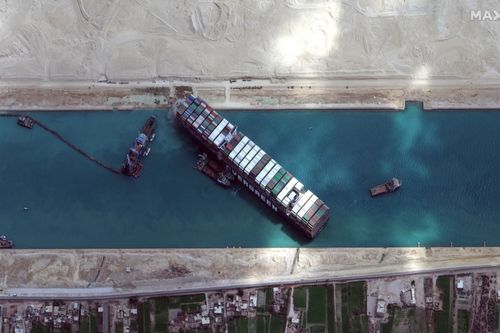
The canal operates on a convoy system with typically two northbound and one to two southbound convoys daily. Transit takes 11 to 16 hours of actual canal navigation, plus four to 12 hours for pre-transit anchoring and formalities. Approximately 19,000 vessels transit annually, averaging 50 to 62 ships per day. The canal carries around 12% of global trade by volume and 30% of global container traffic, making it one of the world's most critical maritime chokepoints.
Soaring transit costs
The financial stakes are substantial. In July 2026, the Suez Canal Authority implemented major fee increases for most vessel categories. Crude oil and petroleum tankers faced the highest surcharge increase, rising to 37% for laden vessels (up from 25%) and 27% for ballast vessels (up from 15%), while base tariff structures remained unchanged since 2024. This marked the first major tariff adjustment in three years, driven by current market conditions.
For a typical Panamax bulker in 2026, transit costs range from $200,000 to $300,000 total, comprising $180,000 to $280,000 in canal tolls plus $5,000 to $8,000 in agency fees. For the largest Suezmax tankers, fees can approach $1 million per passage.
These revenues are vital for Egypt. For fiscal year 2025/2026, canal revenues reached $4.67 billion, representing a 23% increase from the previous year. This followed a sharp decline to $4 billion in 2024, down from a record $9.4 billion in 2022/2023, due to Red Sea security disruptions. The recent recovery reflects easing regional tensions and the resumption of normal shipping patterns.
For sailors like Chawdary and Salvi, the canal represents more than just technical challenge and financial calculation. It remains a rare moment of connection with land, a visual reminder of civilization amid the vast monotony of ocean voyages.