
Alert fatigue grips Ukrainians as air raid sirens sound thousands of times amid modernization efforts
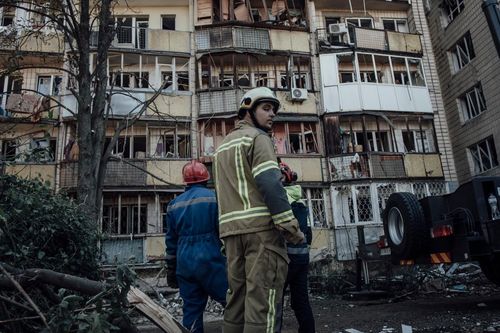
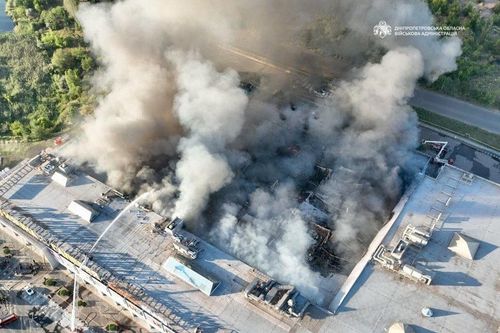
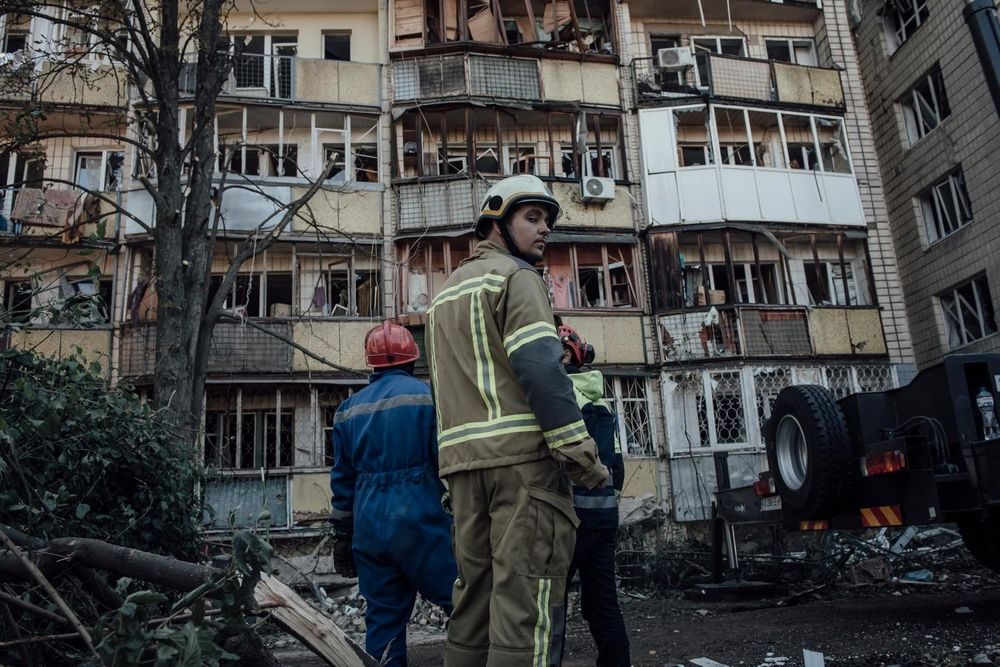
Explosions shattered the silence across Kyiv at exactly midnight on Wednesday, August 19, mere seconds after an air raid alert pierced the night. A barrage of missiles rained down on the Ukrainian capital, claiming at least 15 lives. For two days, authorities had warned residents that a massive Russian attack was imminent, yet most of the city's 3 million inhabitants chose to face the risk at home rather than seek shelter.
The choice reflects a stark reality: Kyiv's shelter infrastructure simply cannot accommodate everyone. The capital has 4,358 shelters and dual-use facilities with a combined capacity of over 2.1 million people, leaving approximately one million residents without access to protected spaces. Most alerts are not followed by actual strikes, as Ukrainian air defenses successfully intercept or divert incoming projectiles, but the sheer frequency of warnings has created a dangerous numbness among the population.
In 2025 alone, air raid sirens sounded at least 19,033 times across Ukraine. The relentless repetition has worn down civilian vigilance, even as the Ukrainian government has dramatically increased spending on warning system modernization from 150 million UAH in 2024 to 528 million UAH in 2025.
A Complex Threat Landscape
What information should civilians receive when bombs threaten from above? Currently, most alerts remain basic: a siren or voice message instructing people to take shelter. Yet the dangers vary dramatically in both form and lethality.
Russian Shahed drones, which travel at approximately 185 km/h and carry explosive payloads of 40 to 90 kilograms, pose one type of threat. Their relatively slow speed and distinctive engine noise provide precious seconds for residents to take cover. The so-called "two-wall rule" offers reasonable protection against these weapons.
Cruise missiles present a different challenge. Traveling at speeds four times faster than drones, they can be detected during their longer flight times, giving Ukrainian air defenses opportunities for interception. According to Ukrainian Ministry of Defense data from June 2026, air defenses achieved an 89% overall interception rate for aerial threats, though nearly 6,000 Russian drones and missiles were launched that month alone.
The most dangerous weapons, however, are ballistic and hypersonic missiles, along with glide bombs. Russian FAB-500 bombs weigh 500 kilograms and can be launched from distances up to 30-45 kilometers, while FAB-1500 bombs carry 1,500 kilograms of explosives and strike from up to 50 kilometers away. These weapons are extremely difficult to intercept, with ballistic missiles showing only a 40% interception rate in June 2026. Their flight times are so brief that civilians have almost no time to react once an alert sounds. Against such threats, underground shelters become essential, yet accessing them requires immediate response to warnings.
Modernizing the Alert System
Ukrainian authorities are attempting to address these challenges through technological improvements. In December 2025, the country introduced a district-based air raid alert system, replacing the previous region-wide approach that often triggered warnings across vast areas where no actual threat existed. The new system was first tested in Kherson Oblast in January 2025 before gradually expanding to other regions.
Kyiv has planned 630 warning stations as part of its reconstructed alert system, with an estimated total cost of 400 million UAH. The first stations were tested in March 2024 in the Desnianskyi district, part of a broader effort to provide more precise, localized warnings.
Yet even improved technology cannot solve the fundamental problem: the gap between shelter capacity and population size, combined with the psychological toll of constant alerts. During a major attack on July 30, 2025, a record 56,000 people sought refuge in the Kyiv metro, representing only around 2% of the capital's population. Some metro stations became so overcrowded that access had to be restricted.
As Russian air strikes continue to increase in frequency and lethality, with fighter-bombers conducting an estimated 80-120 sorties daily and delivering 200-400 glide bombs per day across the Ukrainian front, the challenge of keeping civilians alert and responsive to warnings grows ever more difficult. The modernization of alert systems may provide more accurate information, but it cannot eliminate the fatigue that comes from living under the constant threat of attack.