
Saudi-led coalition destroys 136 Houthi military targets in large-scale Yemen operation
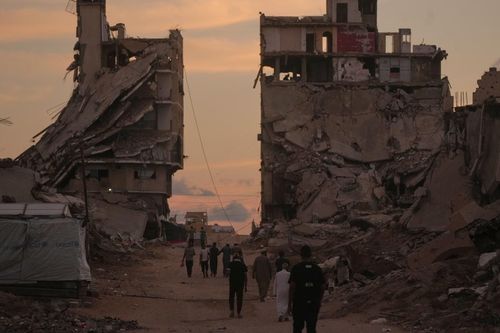
The Saudi-led coalition fighting Yemen's Houthi rebels announced Saturday, October 10, that it destroyed 136 military targets in what it described as a "large-scale operation" against the Iran-backed group. The strikes come as the conflict between the Houthis and Yemen's internationally recognized government intensifies, threatening to unravel a fragile ceasefire that had held for four years.
"We are carrying out a large-scale operation targeting the personnel and capabilities of the Houthi terrorist militia," coalition spokesman Turki al-Maliki wrote on X. The operation focused on areas in the northwestern Yemeni governorate of Saada, a Houthi stronghold since 2011 when the group captured the entire province and established independent administration. The area borders Saudi Arabia and is believed to house Houthi leader Abdul-Malik al-Houthi.
Deadly escalation prompts military response
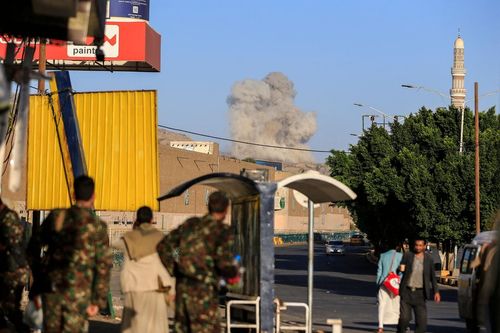
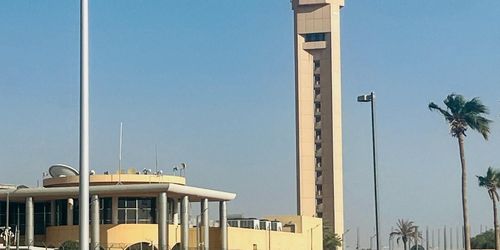
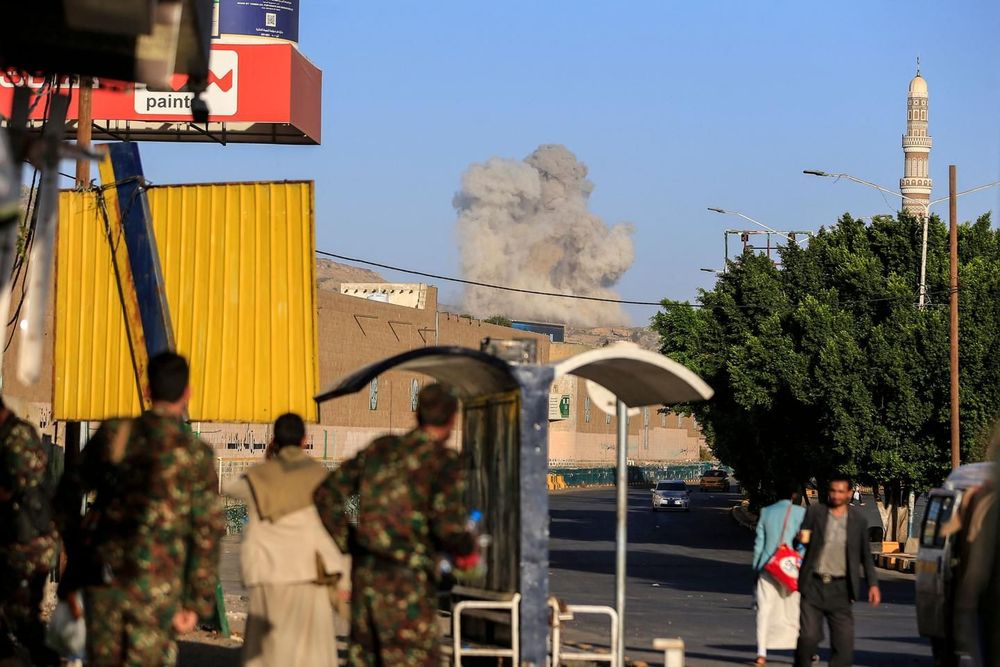
The military action follows a deadly escalation on Friday when attacks on Riyadh international airport killed three people. The Houthis claimed responsibility for strikes on the facility. Houthi media reported that two people died in Saudi attacks on the airport in Yemen's Houthi-controlled capital Sanaa.
The current fighting threatens the 2022 UN-brokered ceasefire that represented the longest lull in hostilities since the Saudi-led coalition intervened in Yemen in 2015. The conflict reignited on July 13, 2026, when Saudi Arabia reportedly conducted an airstrike on Houthi-held Sanaa International Airport to prevent an Iranian plane from landing. The Houthis responded by launching missiles at Abha International Airport in southwestern Saudi Arabia.
One week later, on July 20, the Houthis announced a naval blockade on Saudi Arabia, declaring a "naval navigation blockade on the criminal Saudi enemy." Two days after that announcement, they attacked two Saudi oil tankers in the Red Sea.
Government forces push to retake territory
Saturday's operation is part of a broader coordinated offensive. On October 5, Yemen's Presidential Leadership Council announced the start of a major military campaign to retake territory from the Houthis. Government forces have since reported recapturing the strategic Red Sea port city of Mokha and the Dhubab district near the Bab al-Mandab strait.
The strait has become a critical strategic chokepoint for Saudi Arabia. Only 18 miles wide at its narrowest point, with tanker traffic limited to two 2-mile-wide channels, it carries around 10 percent of global trade. The waterway's importance to the kingdom has increased dramatically after Iran's closure of the Strait of Hormuz forced Saudi Arabia to rely more heavily on its Red Sea export route. Between March and mid-July 2026, Saudi seaborne crude exports through Bab al-Mandab were eight times higher than during the same period in 2025.
Iranian support and international involvement
Iran has provided the Houthis with extensive military, financial, and logistical support. According to a 2024 UN experts report, support from Iran's Islamic Revolutionary Guards Corps, including advanced weaponry such as ballistic missiles, drones, and cruise missiles, as well as training through Hezbollah operatives, played a decisive role in transforming the Houthis into a heavily armed military force.
The widening conflict has drawn international involvement. On October 5, Saudi Arabia, Turkey, and Pakistan agreed to implement collective defense measures under the Mecca Joint Defense Agreement following an emergency meeting in Riyadh. Pakistan and Turkey committed to send troops to Saudi Arabia under this agreement, which was signed in August 2026.
In addition to seizing territory along the Red Sea coast in Yemen, the Houthis have attacked transport hubs, oil facilities and other civilian targets in Saudi Arabia, the world's largest crude exporter, with drones and missiles. Saudi Arabia and Yemen's government forces have struggled to reverse the Houthis' territorial gains despite the ongoing counter-offensive aimed at recapturing areas including those around the strategic Bab al-Mandab strait.