
Syria seeks to join international anti-chemical weapons partnership on Ghouta attack anniversary
Syria announced Friday, August 21, that it has requested to join the International Partnership Against Impunity for the Use of Chemical Weapons, marking a significant shift in the country's stance on chemical weapons accountability. The announcement came on the anniversary of the devastating 2013 chemical attack on Eastern Ghouta, a suburb of Damascus, which killed more than 1,400 people according to US intelligence and rights groups.
In a joint statement with France commemorating the attack, Syria declared its intention to join the partnership of dozens of countries. The partnership, launched in Paris on January 23, 2018, with over 25 countries initially signing on, represents a political commitment by participating nations to hold accountable those responsible for chemical weapons use.
France welcomed Syria's decision as
a clear demonstration of Syria's commitment to strengthening accountability and justice and combating impunityfollowing the country's devastating civil war that lasted more than a decade. French investigating magistrates previously issued an unprecedented arrest warrant in 2024 for Bashar al-Assad and three other senior Syrian officials, charging them with complicity in crimes against humanity and war crimes related to chemical weapons attacks.
Damascus and Paris jointly stated they
commemorate the victims, extend their deepest sympathies and solidarity to their families, and reaffirm their joint commitment to supporting efforts to uncover the truth, ensure justice, and hold those responsible for these crimes accountable.
The 2013 Ghouta Attack
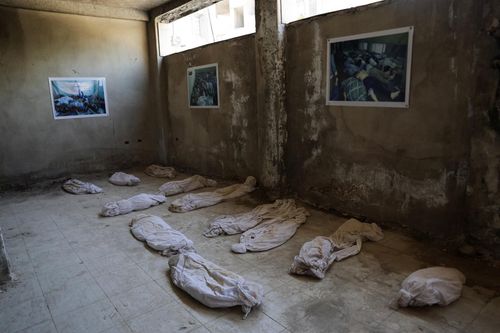
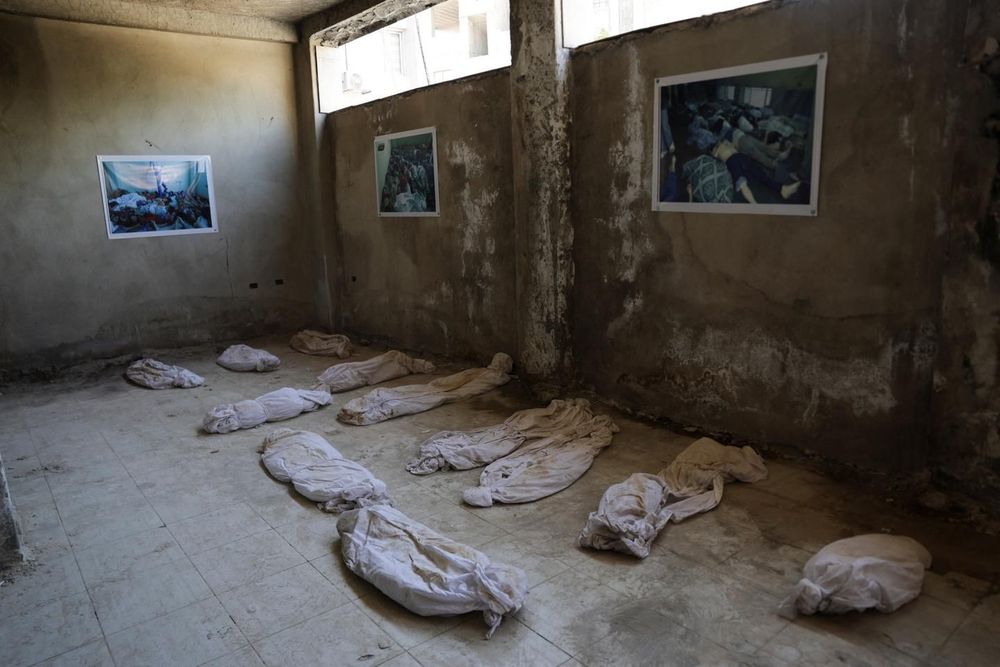
On August 21, 2013, Syrian army forces under Assad's command were accused of using chemical weapons to target rebel-controlled areas near Damascus. Survivors, including medical personnel, risked their lives documenting the horror through videos posted online and interviews with journalists. The footage showed dozens of corpses, many of them children, lying on the ground. Other images captured unconscious children, people foaming at the mouth, and doctors desperately trying to help victims breathe.
The scenes provoked global revulsion and condemnation. A United Nations report later confirmed clear evidence that sarin gas had been used in the attack. Death toll estimates vary, with the Syrian Network for Human Rights documenting 1,144 deaths, while the US Government estimated 1,429 deaths, including 426 children.
Facing intense international pressure and the threat of military strikes from Washington and its allies, Syria agreed in 2013 to join the Organisation for the Prohibition of Chemical Weapons and disclose and surrender its toxic stockpile under Russian and US supervision. However, chemical attacks continued throughout the civil war. The OPCW's Investigation and Identification Team has issued at least five reports identifying Assad-era Syrian forces as responsible for various chemical weapons attacks, including a January 2026 report that identified the Syrian Arab Air Forces as responsible for an attack in Kafr Zeita on October 1, 2016.
A New Chapter for Syria
Syrian Foreign Minister Asaad al-Shaibani called the 2013 attack
one of the most painful chapters in Syria's history.He announced that Syria has
initiated the necessary technical and logistical proceduresfor disposing of chemical weapons in cooperation with international partners, while vowing to pursue those involved in past attacks.
The announcement comes amid broader signs of Syria's reintegration into the international community. In July 2026, the United States removed Syria from its list of state sponsors of terrorism, and the OPCW reinstated Syria's voting rights on July 9, 2026, five years after suspending them in April 2021. The suspension in 2021 marked the first time a member state had been hit with such a sanction, imposed as punishment for repeated use of toxic gas.
Syria's cooperation with international inspectors has accelerated since Assad's fall. In May 2026, the OPCW announced that dozens of chemical bombs and rockets left over from Assad's rule had been discovered as previously undeclared weapons sites were opened to inspectors.
Syria's civil war began in 2011 with a brutal crackdown on dissent that evolved into armed rebellion. According to the Syrian Observatory for Human Rights, the death toll reached over 656,000 from March 2011 to March 2025, with the UN Human Rights Office estimating over 306,000 civilian deaths from 2011 to 2021 alone. Millions more were forced into exile.
President Ahmed al-Sharaa, who officially assumed office on January 29, 2025, following an 11-day military offensive in November 2024 that ousted Assad, now leads Syria through a five-year transitional period. Several Syrian officers linked to chemical weapons attacks have been arrested since Assad's fall, as the new government seeks to rebuild the country and restore its long-shattered ties with the West.