
UAE Suspends All Trade Following Missile Detection
The United Arab Emirates announced on Tuesday that it had suspended all trade and financial dealings with Iran, marking a dramatic escalation in tensions between the former trading partners. The decision follows an incident in which UAE air defenses detected two ballistic missiles launched from Iranian territory.
"In light of regional escalations... all trade, commercial exchanges, and financial transactions with Iran have been halted until further notice," UAE foreign ministry communications director Afra Al Hameli said in a statement.
The trade suspension represents a significant strategic shift for both nations. The UAE had historically been Iran's second-largest trading partner, with bilateral trade totaling approximately $24 billion in 2023-2024. Dubai has long served as a critical re-export and financial hub for Iranian companies seeking to navigate international sanctions.
Missile Detection and Denial
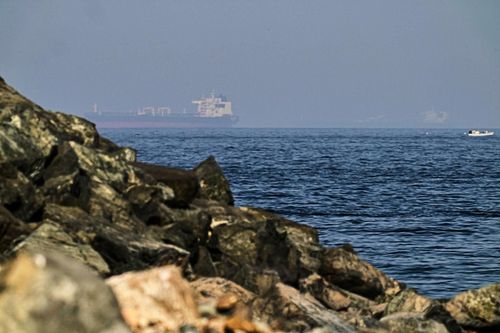
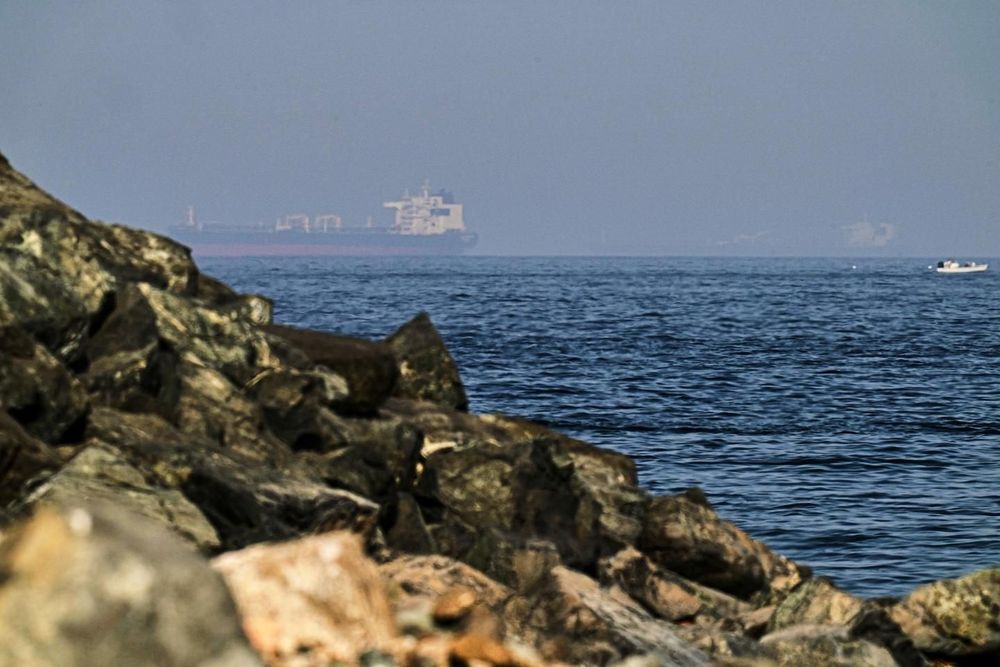
Earlier on Tuesday, the UAE defense ministry reported detecting two ballistic missiles launched from Iran toward the country. "The first fell outside the country's territorial waters, while the second fell within the territorial waters," the ministry stated on social media. A subsequent assessment indicated the missiles were targeting maritime navigation and fell into the sea.
Iranian foreign ministry spokesman Esmaeil Baqaei categorically rejected the accusation, calling it harmful to regional trust and security efforts. Iran has maintained its position that the Strait of Hormuz will remain closed until a peace agreement is reached with the United States.
The Strait of Hormuz is one of the world's most critical energy chokepoints, with approximately 20 million barrels per day of crude oil and petroleum products transiting through it, representing about 34% of global crude oil trade. Nearly all of the UAE's liquefied natural gas exports also pass through this narrow waterway.
Escalating Alert System
The missile detection came nearly two hours after a brief phone alert warned UAE residents of a "potential missile threat." The interior ministry message instructed people to "immediately seek a safe place in the closest secure building." The alert was lifted shortly afterward.
This marked the first such warning since a false alarm in June and an alert in July for an attack that ultimately did not enter UAE territory. Before that, the last missile warning came in early May.
Pattern of Attacks
State-owned oil company ADNOC has reported that 15 of its vessels have been attacked while transiting the Strait of Hormuz since the start of the conflict in February, with one crew member killed and 20 others injured. These repeated attacks on tankers have intensified security concerns for maritime traffic in the region.
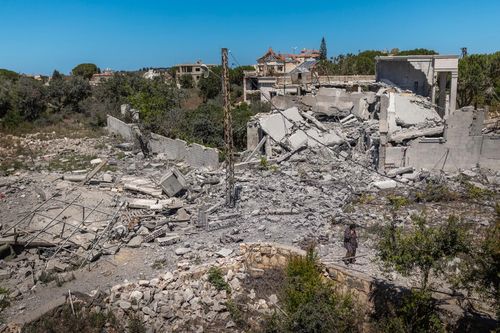
When the Middle East war began on February 28, the UAE bore the brunt of Iranian attacks, with the country facing extensive missile and drone strikes. The UAE has deployed THAAD and Patriot missile defense systems to intercept incoming threats.
A memorandum of understanding between the United States and Iran, brokered primarily by Pakistan with support from Qatar, Saudi Arabia, Turkey and Egypt, came into effect in June with the aim of reducing hostilities. During this period, the UAE reported no attacks, unlike other Gulf states. However, the agreement has since collapsed, leading to renewed military activity.
The UAE's position as one of Washington's closest allies in the Middle East, hosting three U.S. military bases and more than 3,500 American troops, has made it a focal point in the broader regional conflict. The country closed its embassy in Tehran on March 1 following a series of Iranian strikes on Emirati territory, effectively ending its previous policy of cautious engagement with Iran.
The relationship between the two nations has been complicated by a long-standing territorial dispute over three islands in the Gulf: Abu Musa, Greater Tunb, and Lesser Tunb, which Iran has sought to control unilaterally since 1992.