
Tunisia's bottled water crisis deepens as infrastructure and climate pressures converge
At 9 am on Friday, August 28, the temperature in La Goulette had already climbed to 35°C. For the seventh consecutive morning, grocer Riadh Ayari stood behind his counter with nothing to offer thirsty customers seeking bottled water. The shelves remained bare, and he had no idea when the next delivery might arrive.
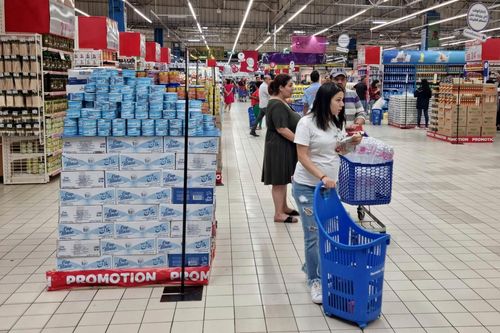
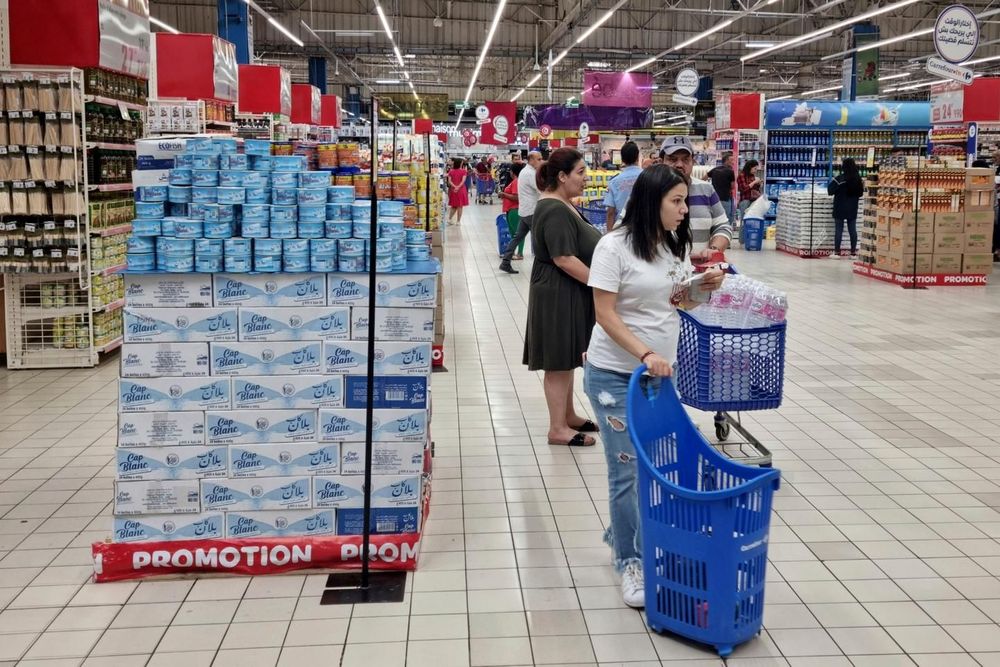
"They're gone in minutes," Ayari warned a customer who had come searching for water in the small town on the outskirts of Tunis. Another shopper suggested trying Le Kram, the neighboring municipality, where they had managed to purchase a pack the previous day. Across Tunisia, millions have been reduced to this daily hunt for a commodity that was once readily available.
A crisis emerges from scorching summer heat
The bottled water shortage emerged in early July as Tunisia's scorching summer began, but by late August the scarcity had transformed into a full-blown crisis. Supermarket shelves and corner shops throughout the country now stand empty, forcing residents into an exhausting daily search for water. The crisis has hit a population that has grown increasingly dependent on bottled water, with average annual consumption rising from 87 liters per person in 2010 to 241 liters in 2024, according to the official news agency Tunis Afrique Presse.
Deepening water stress and drought conditions
This dependence reflects a deeper water crisis that has been building for years. Tunisia now ranks as the 33rd most water-stressed country globally according to the World Resources Institute, facing five consecutive years of drought conditions. Rainfall has decreased by more than 55% compared to the annual average, while dam storage levels plummeted to just 31% in 2023 and 37% in 2024. The Sidi Salem dam in northwest Tunisia, which supplies water to large parts of the country including the capital, stood at only 23.3% capacity as of mid-September 2025.
Nightly water cuts force dependence on bottled water
The chronic water shortage has forced SONEDE, Tunisia's state water distribution company, to implement nightly water cut-offs since April 2023, typically between 9 PM and 4 AM, as a conservation measure. In 2024 alone, Tunisia's Water Observatory recorded more than 2,100 unannounced water cut-offs, many exceeding 10 hours, forcing households to ration supplies without warning. These systematic disruptions have pushed most Tunisians toward bottled water, despite official assurances that tap water remains safe to drink. Concerns over taste, including chlorine smell and limescale deposits, fuel distrust even though 98.5% of the country had water-service coverage in 2023.
Aging infrastructure compounds supply problems
The infrastructure itself compounds the problem. Tunisia's aging pipe networks lose approximately 30% of total water supply through leakages, losses that have become critical amid the multi-year drought. This combination of unreliable supply and infrastructure failures has created surging demand for bottled water precisely when production capacity has been constrained.
Production disruptions meet surging demand
In August, power rationing disrupted bottled water factory operations across the country. At the same time, shortages of raw plastic materials needed to manufacture bottles further limited production capacity just as the heatwave drove demand to unprecedented levels. The convergence of supply-side constraints and surging consumer need created perfect conditions for the severe shortage now gripping the nation.
Social tensions rise amid resource scarcity
The water crisis has become a flashpoint for social tensions. In 2024, water scarcity triggered 186 protests throughout Tunisia, with water-related demonstrations becoming a defining feature of the country's summer months. For residents like those in La Goulette, the shortage represents not just an inconvenience but a daily struggle that highlights the country's deepening resource vulnerability.
According to a report from the Tunisian Water Observatory, a project run by the Nomad08 advocacy group, the shift toward bottled water consumption accelerated dramatically over the past decade, rising from 87 liters per person in 2010 to 225 liters in 2020. This structural change in consumption patterns means that any disruption to bottled water supplies now affects the daily lives of millions who can no longer rely on tap water as their primary drinking source.
As August drew to a close with no clear end to the shortage in sight, Tunisians continued their daily searches, hoping to be among the lucky few who arrive at a shop moments after a delivery. The crisis has exposed the fragility of a system under pressure from climate change, aging infrastructure, and growing demand, leaving a nation to confront an uncertain future where access to clean drinking water can no longer be taken for granted.