
Physical limits of human endurance
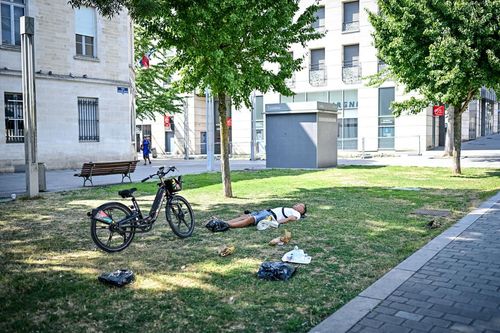
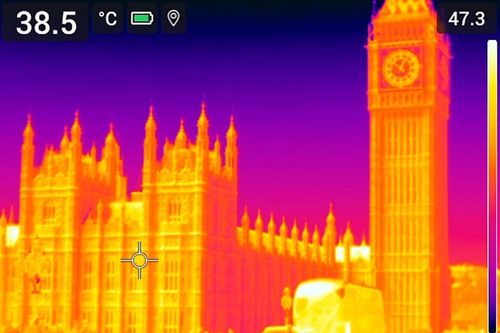
As France endured its hottest summer on record in 2026, with average temperatures reaching 24°C—3.6°C above normal and surpassing the devastating 2003 heatwave—one question dominated public discourse: where can people still safely live? The answer is reshaping how the French understand their relationship with the places they call home.
The summer's severity was unprecedented. France experienced over 50 heatwave days, the highest number since records began in 1947, far exceeding the 33 days recorded during 2022's extreme summer. Rankings identifying climate refuges pointed to cities like Fougères and Brest in Brittany and Valognes in Normandy as potential havens from the escalating heat.
What was once perceived as a distant threat has become immediate reality, bringing both physical suffering and a new form of anxiety about the future. How can residents endure coming summers in homes without adequate cooling? How will communities cope when water runs dry and crops fail in parched fields?
Physical limits of human endurance
Habitability rests first on biological thresholds. Scientists have traditionally considered a wet-bulb temperature of 35°C—a measure combining heat and humidity—as the upper limit for human survival, representing conditions where the body cannot cool itself through perspiration. Recent research suggests the actual limits may be lower, ranging from 25.8°C to 34.1°C for young adults and 21.9°C to 33.7°C for older adults.
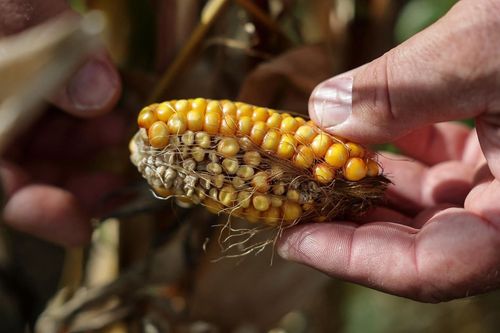
These aren't abstract numbers. By early September 2026, 64,000 people across France lacked access to tap water and relied on tanker deliveries or bottled supplies, while over 6 million faced imminent risk of water disruption. By July, soil moisture had fallen to the driest level ever recorded for that date, threatening agriculture and fueling wildfires.
Even supposed climate refuges proved vulnerable. Brittany, long considered a cooler haven, saw temperatures exceed 40°C in Rennes during 2026, challenging its reputation as an escape from extreme heat.
Beyond temperature: the social dimension
Yet habitability encompasses far more than physical survival thresholds. It fundamentally depends on the relationship between spaces and the people who inhabit them—a dynamic that proves crucial in determining how communities adapt to environmental change.
Research demonstrates that habitability thresholds vary dramatically across socioeconomic strata. Lower-income households possess fewer resources to recover from environmental shocks and face higher displacement risks when extreme weather strikes. This social dimension reveals why identical physical conditions affect different communities in vastly different ways.
Guillaume Faburel, a geographer at Lyon's Lumière Lyon 2 university, led research identifying seven potential climate refuge areas in France using 30 indicators, published in a report titled Où habiter? (Where to live). Such studies attempt to map not just current conditions but the complex interplay of environmental risks, infrastructure resilience, and community resources.
Government response
The crisis has reached the highest levels of French government. In late July 2026, the Prime Minister tasked Environment Minister Monique Barbut with presenting new measures to accelerate implementation of France's national climate change adaptation plan, with conclusions expected by September's end including a five-year funding plan.
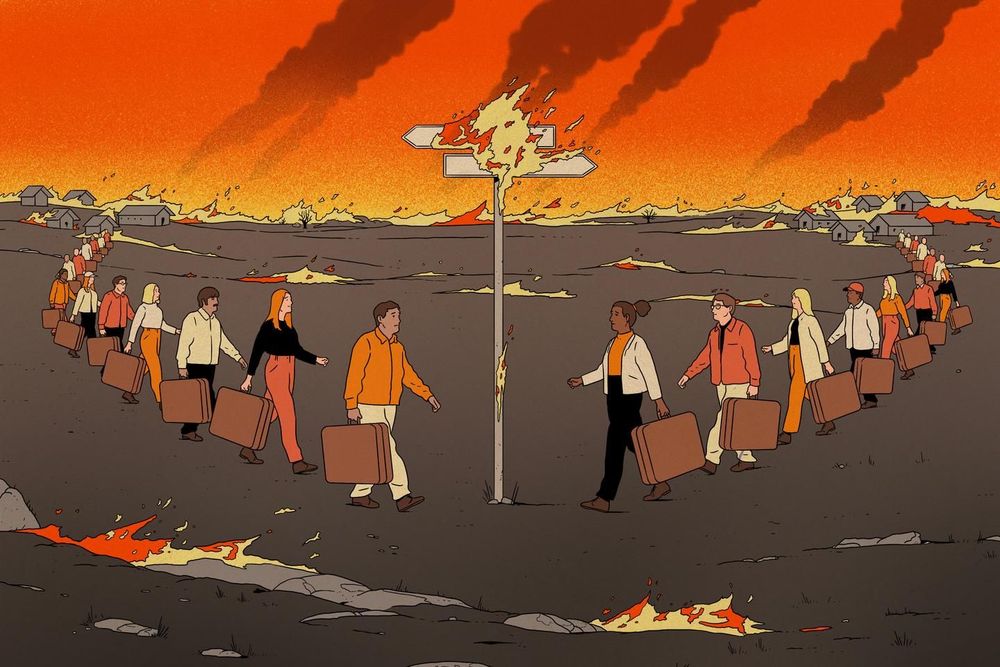
The question of where to live has transformed from individual calculation to collective challenge. As climate change intensifies, the answer depends not merely on escaping heat but on building communities capable of adapting together—places where the bonds between people and their surroundings can withstand the pressures of a warming world.