
Belgian brewers launch campaign against new alcohol health warning
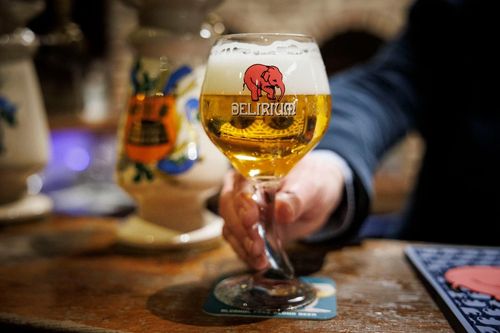
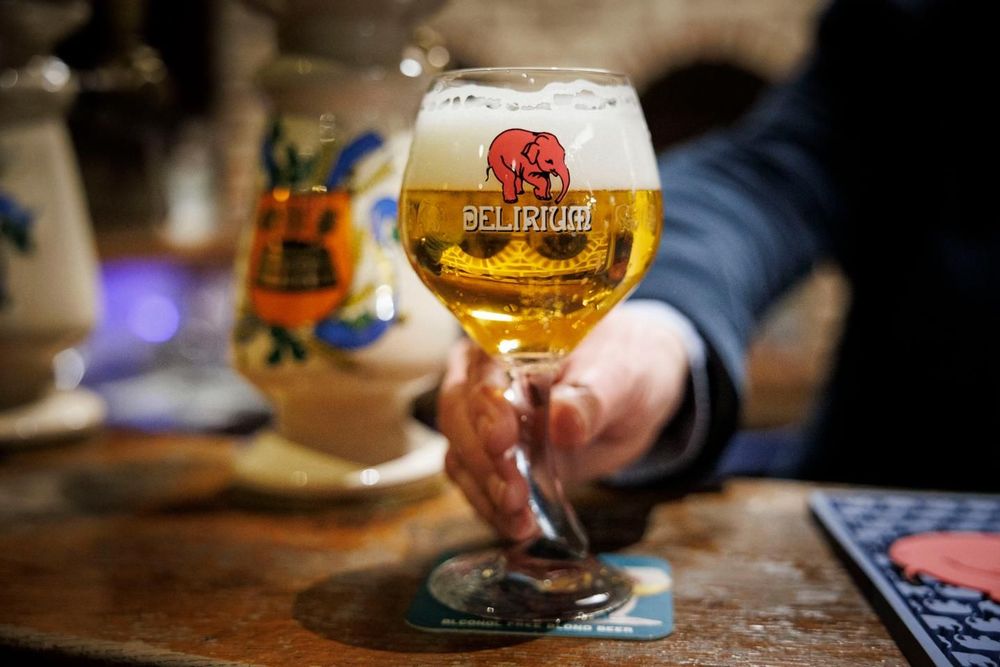
The Belgian Brewers Federation has launched a public campaign against new government regulations requiring alcohol advertisements to carry the warning 'Alcohol is harmful to health,' replacing the current message that specifies 'abuse' as the problem. The industry published an open letter on August 26 featuring a photograph of friends raising beer glasses on a café terrace, asking 'What's wrong with these moments?'
The controversy centers on the removal of a single word that the brewing industry considers crucial. Krishan Maudgal, director of the Belgian Brewers Federation, argued that eliminating 'abuse' from the warning fails to distinguish between excessive consumption and moderate drinking.
The new warning no longer distinguishes between abuse and responsible consumption. It needlessly stigmatizes our entire sector
The regulation is particularly contentious for Belgium, where beer culture has been recognized by UNESCO as part of the nation's cultural heritage. The industry contends that Belgium is becoming one of the first countries to explicitly label beer as harmful, threatening a tradition deeply woven into the country's identity.
Part of comprehensive alcohol strategy
The warning label change represents one element of Belgium's first interfederal alcohol plan, adopted by the Council of Ministers in March 2023. The comprehensive strategy includes 75 actions focused on advertising restrictions, availability limits, and appropriate care, following World Health Organization recommendations.
Beyond the warning text, the new regulations ban alcohol advertisements where at least 30% of the audience are minors and suspend free alcohol giveaways. The health warning must cover 15% of any advertising message, including materials displaying only a logo or brand name such as beer mats and parasols.
Deputy Prime Minister and Health Minister Frank Vandenbroucke, who has led health policy since October 2020 representing the Vooruit party, defended the measure.
Alcohol is harmful – and deep down, we all know it. It increases the risk of serious cancers and can lead to severe addictions, which cause much suffering within families. Everyone is free to decide how much they drink, but as public authorities, we want to properly inform both young people and adults
Scientific evidence supports policy shift
The government's position draws support from international health research. The International Agency for Research on Cancer classified alcohol as a Group 1 carcinogen in 1987, placing it in the highest risk category alongside asbestos, radiation, and tobacco. According to WHO Europe, half of all alcohol-attributable cancers in the European Region result from light and moderate consumption—defined as less than 1.5 liters of wine or less than 3.5 liters of beer per week.
Research also indicates that early alcohol consumption increases the risk of later harm, including addiction, cancer, and dementia, which informed the policy's emphasis on protecting young people from alcohol marketing.
Economic stakes for struggling industry
The brewing sector's resistance occurs against a backdrop of significant economic pressure. Beer consumption in Belgium has declined approximately 20% over the past decade, with a 6% drop in 2023 and a 2.1% decline in 2024, driven by economic pressures and rising costs.
Despite these challenges, the industry remains a major economic force, contributing an estimated €4 billion to the Belgian economy—equivalent to approximately 1% of GDP—and supporting over 42,000 jobs. The sector's substantial economic footprint helps explain why brewers are mounting such determined opposition to additional regulatory burdens.
The industry's political influence on Belgian health policy came under scrutiny in October 2025, when the newspaper De Tijd reported on the strong lobbying power the alcohol sector exerts. This influence underscores the contentious nature of the regulatory reforms and the political challenges facing health authorities seeking to implement stricter alcohol controls.