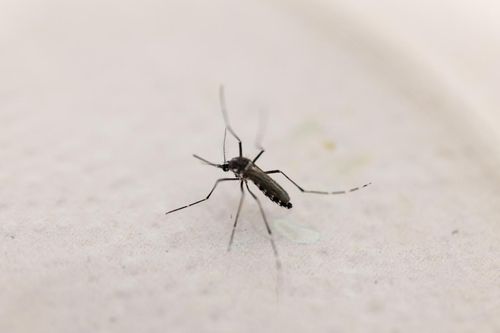

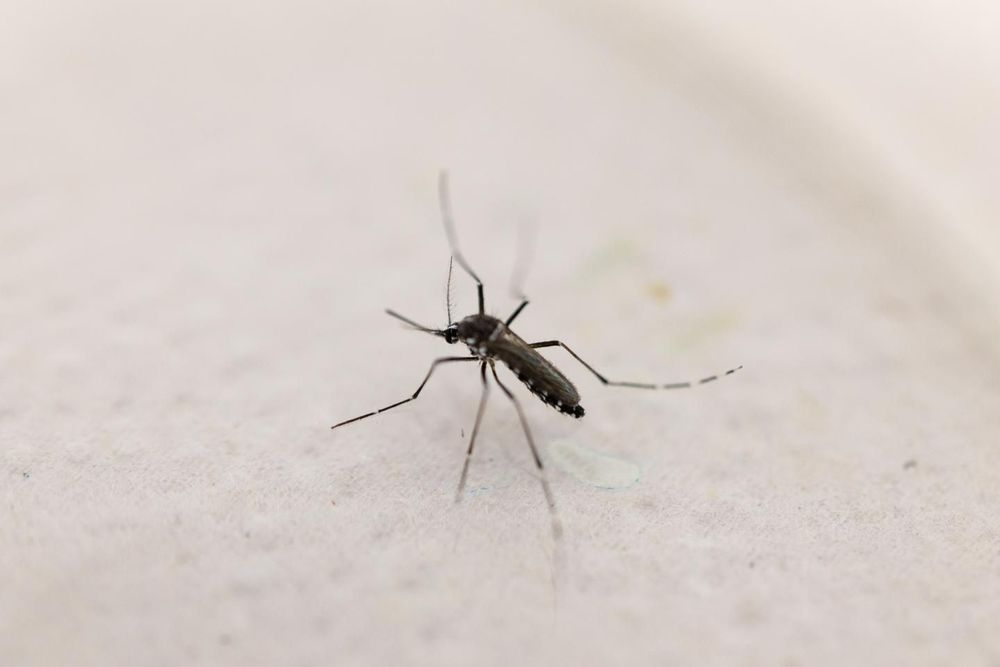
Tiger mosquito populations decline in France amid extreme summer conditions, but experts warn relief may be temporary
The tiger mosquito, typically a resilient colonizer capable of thriving in diverse conditions, has encountered an unexpected opponent this summer: extreme heat and drought. Researchers and mosquito-control professionals report notably lower insect numbers at the start of summer 2026 compared to previous years, according to data collected through trapping networks across France.
The decline has translated into tangible relief for public health. As of August 17, Santé publique France recorded just 25 chikungunya infections in mainland France, including 16 cases in Prignac-et-Marcamps in the Gironde department and 8 in Saint-Amans-Soult in the Tarn department, both in southwestern France. An additional 4 dengue cases and 18 West Nile virus infections were reported, the latter transmitted primarily by common mosquitoes rather than tiger mosquitoes.
These figures represent a dramatic decrease from the same period in 2025, when 180 arboviral disease cases had been recorded. That year proved exceptional in France's mosquito-borne disease history, with 809 locally acquired chikungunya cases ultimately confirmed across mainland France. The 2025 outbreak was fueled in large part by a major epidemic on Réunion Island that recorded more than 54,000 confirmed cases and 43 deaths between August 2024 and June 2025. The Réunion lineage spread to mainland Europe during summer 2025, causing approximately 780 cases in France and 380 in Italy.
Historical context reveals 2025 as outlier year
The 2025 surge marked a stark departure from historical patterns. Between 2004 and 2024, locally transmitted chikungunya cases in mainland France were rare, limited to just three episodes: 2 cases in Fréjus in 2010, 12 cases in Montpellier in 2014, and 17 cases in Le Cannet-des-Maures in 2017. The 809 cases recorded in 2025 represented the highest number since enhanced surveillance began in 2006.
Beyond chikungunya, 2025 also saw France face simultaneous circulation of three different arboviruses for the first time, with 30 locally transmitted dengue cases and 60 West Nile virus infections recorded alongside the chikungunya outbreak.
Tiger mosquito expansion continues despite summer setback
Despite this summer's apparent decline, the tiger mosquito's territorial expansion across France continues unabated. As of April 2026, the species is established in 83 of France's 101 departments, up from 81 in early 2025, representing approximately 82% coverage of mainland France. The mosquito's expansion rate has accelerated dramatically over two decades, from 6 kilometers per year in 2006 to 20 kilometers per year by 2024. Health authorities project complete colonization of metropolitan France by 2030.
The biological mechanisms behind this summer's population decline relate to the species' temperature sensitivity. Tiger mosquitoes become dormant when temperatures drop below 10°C and achieve optimal activity above 27°C. In temperate areas like France, winter temperature remains a major limiting factor, with populations surviving cold months through egg diapause, a dormancy state that allows eggs to withstand harsh conditions.
While current mosquito numbers offer temporary respite, the underlying trend points toward continued expansion. The tiger mosquito has proven itself a champion of adaptation over the long term, and a single difficult summer appears unlikely to reverse its steady colonization of French territory. Public health officials continue monitoring the situation closely, aware that favorable conditions could quickly restore population levels and increase arbovirus transmission risk.