
Epidemiologist warns summer 2026 heatwaves revealed unprecedented mortality among young people
The summer of 2026 represented a critical shift in how extreme heat affects public health in France, according to epidemiologist Kévin Jean, a researcher and lecturer at the Ecole nationale supérieure – Université Paris Sciences et Lettres. While political leaders have yet to fully comprehend the scale of heat-related deaths, Jean argues that this summer exposed a new dimension of vulnerability among young populations that had not been clearly identified before.
The period from May to August 2026 was exceptional by multiple measures. France experienced 52 days classified as heatwave conditions, far exceeding the 33 days recorded in 2022 and the 22 days during the catastrophic summer of 2003. This represented the highest number of heatwave days since records began in 1947. The human toll was substantial: 8,127 people died during the four heatwaves that struck between May and August.
Yet the summer did not approach the mortality levels of 2003, when approximately 14,802 people died in France, predominantly among those aged 75 and older who experienced a 70 percent increase in mortality. The difference reflects protective measures implemented after that disaster, particularly the Heat Wave and Health Alert System established in 2004, which mandated air conditioning in nursing homes and created public awareness campaigns. These interventions have proven effective at safeguarding the elderly in institutional settings.
A new pattern of vulnerability
What distinguished 2026, according to Jean, was the emergence of a troubling pattern among younger age groups. Data from Santé publique France revealed that during the June heatwave, excess mortality began increasing from age 15 upward. This departure from historical patterns, where children aged 0-15 typically demonstrate greater resilience to heat stress than older adults, caught researchers' attention.
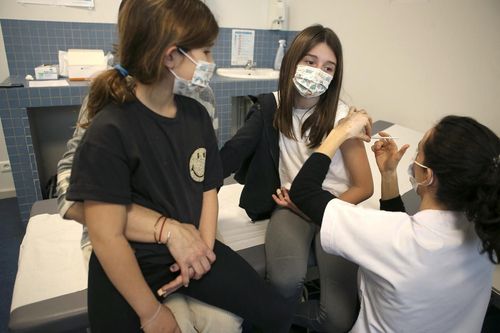
The timing of the June heatwave coincided with critical examination periods in schools, creating an acute crisis for students. Teachers reported overheated and poorly ventilated classrooms where children became ill. The government ultimately closed approximately 1,350 schools either partially or completely, compared to only one or two days of closures the previous year. The educational disruption highlighted an impossible dilemma: while closing schools seemed prudent, many students lived in homes that offered no escape from the heat.
Jean described these conditions as particularly revealing about the exposure of children and young people to extreme heat. Many students fainted during exams, incidents that often went unreported in official statistics. The situation demonstrated that protective measures effective for the elderly in nursing homes do not translate to protecting young people in educational settings or inadequate housing.
Broader context of escalating crisis
The 2026 mortality figures reflect an accelerating crisis across Europe, which is warming at twice the global average rate, making it the fastest-heating continent on Earth. In 2022, more than 61,000 heat-related deaths occurred across 35 European countries during summer months, with France recording approximately 2,051 deaths. The previous summer, 2025, saw over 5,700 heat-attributable deaths in France alone, with people aged 75 and older accounting for nearly three-quarters of those deaths.
Between 2014 and 2022, nearly 33,000 people died in France from heat exposure during summer months. Significantly, roughly 72 percent of these deaths occurred during periods of elevated temperature that did not meet the official criteria for heatwave classification, suggesting the problem extends beyond recognized extreme events to encompass broader patterns of seasonal warmth.
Heat-related mortality affects multiple vulnerable populations, including older adults, children, pregnant women, outdoor workers, people experiencing homelessness, and individuals with chronic diseases. The intersection of these vulnerabilities with inadequate infrastructure creates conditions where protective measures remain insufficient.
Following the publication of his book examining public health challenges, Jean continues to advocate for substantial investment in ecological policies as a life-saving measure. He emphasizes that despite growing awareness of heatwave impacts, the political response has not matched the scale of the crisis revealed by each successive summer's mortality data.