
Putin's asset seizures target Western companies trapped in Russia
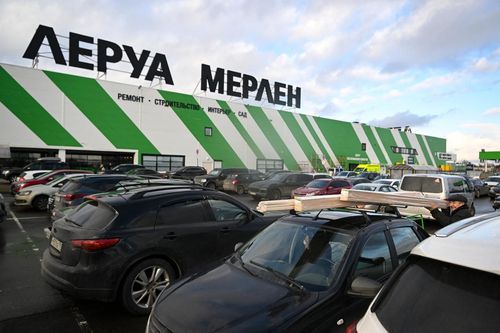
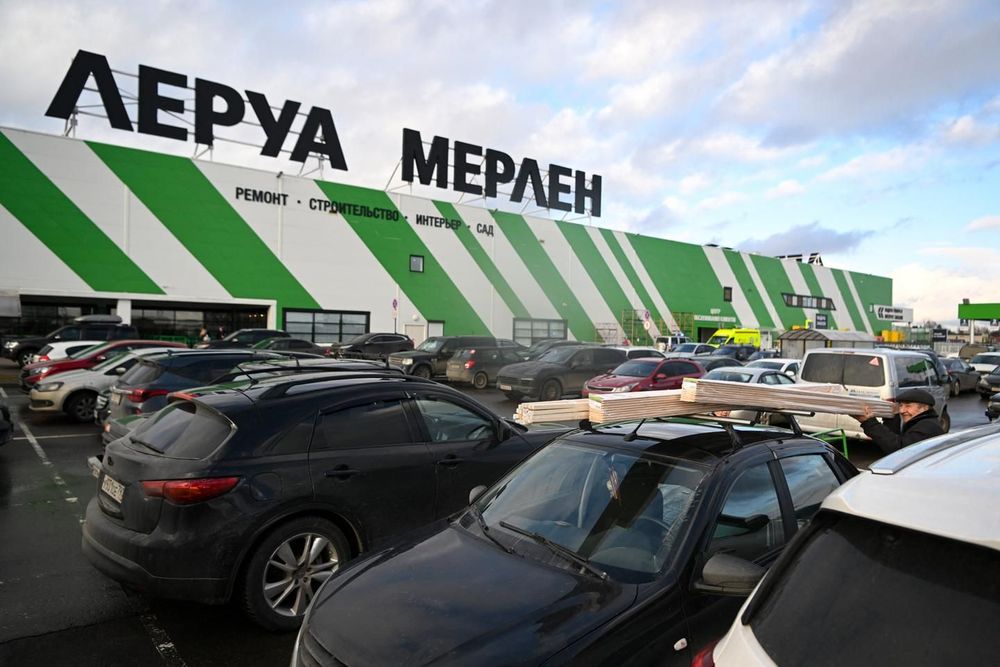
Two weeks after Russian authorities confiscated the assets of French retailers Leroy Merlin and Auchan, Swiss food giant Nestlé, and logistics firm FM Logistic, President Vladimir Putin addressed the matter at the Valdai Discussion Club, an annual Moscow-based forum where he has delivered speeches to Russian elites since 2004. His message was dismissive: "We are not taking anything from anyone, we are not stealing anything and we are not nationalizing anything."
Speaking at the October 1 forum, Putin suggested the assets could eventually return to their original owners under a "favorable scenario" with Western countries, without specifying what conditions would qualify. No one in the room challenged the Russian leader's characterization of the seizures.
The reality on the ground tells a different story. Under a Kremlin decree issued on September 17, the confiscated assets were placed under "temporary administration" and transferred to L.E.V. Management, a shell company registered in Moscow in October 2024. Registry data shows the firm has a charter capital of approximately $177 and a single employee. According to media reports, it is owned by Andrei Kraiushkin, a general from Russia's Interior Ministry.
This obscure intermediary is expected to serve as a conduit before the assets are acquired by groups close to the Kremlin, following a pattern established in previous seizures. In 2023, Moscow adopted similar measures against Danish brewer Carlsberg and French dairy company Danone, whose Russian operations ended up under control of entities linked to Putin's political allies at knockdown prices.
German wholesale food retailer Metro AG became the latest victim on September 28, when Russian authorities confiscated its 91 stores and approximately 9,000 employees. Metro reported Russian sales of 2.6 billion euros in its 2024/2025 financial year, making the seizure part of an accelerating pattern rather than isolated incidents.
Massive operations at stake
The scale of the confiscated businesses is substantial. Auchan operated 230 stores across 100 Russian cities, employed roughly 30,000 staff, and generated 3.2 billion euros in Russia in 2021—representing 10 percent of total revenue at Auchan Retail. In the first half of 2024 alone, the Russian division generated 127 billion rubles ($1.5 billion) in turnover.
Leroy Merlin's Russian operation ranked as the third-largest foreign earner in the entire Russian market in 2024, generating $6.8 billion in revenue. The home improvement retailer operated 112 stores, 11 dark stores, and six distribution centers, while paying $128 million in profit tax directly to the Russian budget.
These companies found themselves trapped by regulatory measures Moscow imposed after the February 2022 invasion of Ukraine. Russia required presidential approval for Western companies to complete asset sales and mandated a 50 percent discount on any transactions involving businesses from "unfriendly countries." This framework made orderly exits nearly impossible.
According to analysis from the Kyiv School of Economics and Bruegel think tank, approximately 40 percent of Western assets have been withdrawn from Russia since February 2022. However, around $194 billion worth of foreign assets remain in the country as of mid-2024, including $90 billion owned by European companies and $32 billion by U.S. firms.
Companies that did manage to exit paid enormous costs. A Reuters analysis published in March 2024 found that the corporate exodus cost foreign companies more than $107 billion in writedowns and lost revenue. French automaker Renault sold its Russian assets for two rubles, while Japanese manufacturer Nissan earned just one euro for its plant.
Legal framework for retaliation
In May 2024, Putin signed a decree establishing a legal framework for reciprocal asset seizures, allowing Russian authorities to seize U.S. property in Russia as compensation for any seizure of Russian assets in the United States. Moscow characterizes these actions as retaliation for Western sanctions and the freezing of Russian assets abroad.
"All of this is just empty rhetoric. With the failure of peace negotiations and the likely electoral defeat of Donald Trump's party in November, Vladimir Putin now feels even freer. To intensify the war in Ukraine. And to seize European assets in Russia."
At Valdai, Putin avoided mentioning the shell company arrangement or the precedent set by previous seizures. His reassurances about potential asset returns came without concrete commitments or timelines, leaving Western companies facing the prospect of permanent loss of their Russian operations.