
At least 15 people missing after Grand Canyon flash flood
Approximately 15 people remain unaccounted for following a flash flood that swept through Grand Canyon National Park on Saturday, August 29, according to the National Park Service. The agency is working with Arizona authorities to evacuate individuals from the affected area and locate those still missing.
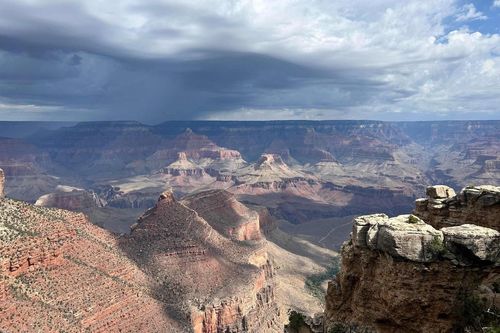
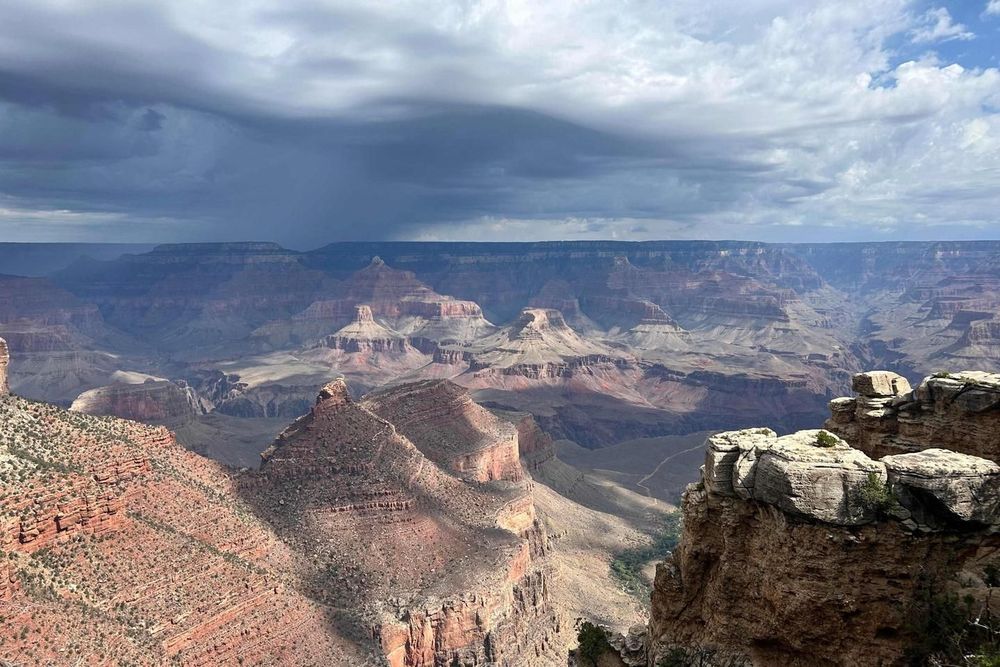
The flood began around 2:30 pm when a thunderstorm dropped approximately one inch of rain in roughly 30 minutes over the Kaibab Plateau. The intense rainfall triggered dangerous flooding in Bright Angel Canyon and the Phantom Ranch area, a historic lodge established in 1922 that sits approximately 4,600 feet below the South Rim beside Bright Angel Creek. As the only lodging facility located below the canyon rim, Phantom Ranch is accessible only by foot, mule, or rafting the Colorado River, complicating evacuation efforts.
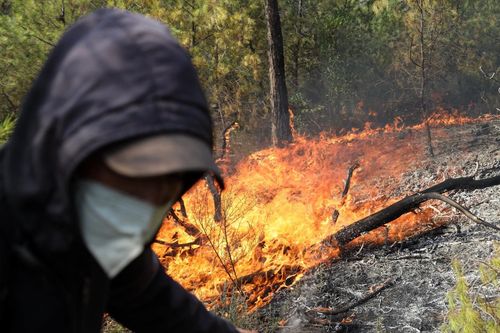
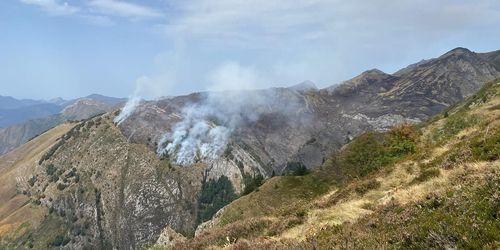
The severity of the flooding was compounded by environmental factors from the previous year. Rain fell on areas burned by the 2025 Dragon Bravo Fire, where reduced vegetation and soil stability contributed to increased flooding and debris flows through Bright Angel Creek into the Colorado River. U.S. Geological Survey gauges recorded the Colorado River rising 8 feet in one hour, while waters on Bright Angel Creek increased by more than 5 feet in 10 minutes before sensors were damaged.
Extensive Infrastructure Damage
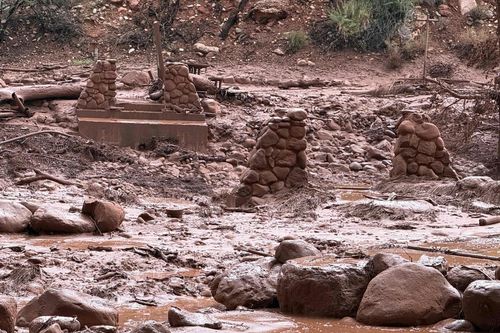
The flooding destroyed nearly all footbridges spanning Bright Angel Creek, cutting off hiker access across the waterway and causing extensive damage throughout the canyon. Bright Angel Creek, which descends approximately 6,000 feet from the North Rim to the Colorado River, became a torrent that swept away critical infrastructure.
A key water pipeline serving the park sustained significant damage in the flood. The pipeline, which has experienced frequent failures as it has long exceeded its expected life span, is currently undergoing a $208 million rehabilitation and upgrade project that started in 2023 and is expected to be completed in 2027. The damage has forced the park to implement water restrictions in its most visited areas and ban wood and charcoal fires.
Evacuation and Emergency Response
As of Sunday morning, 62 people have been evacuated from the affected area, with additional evacuations scheduled. Evacuees were taken to the Maswik Lodge Cafeteria on the South Rim, where the American Red Cross coordinated assistance. The National Park Service initially reported more than 20 people believed missing but later revised that estimate to approximately 15. No confirmed deaths or injuries have been reported.
Starting Monday, tourists will not be able to stay overnight at lodges and hotels within Grand Canyon National Park due to the water pipeline damage, though the park will remain open for day use. The closure of overnight accommodations represents a significant disruption to park operations during peak tourist season.
Ongoing Threats
The National Park Service warned that more thunderstorms and heavy rainfall are possible through Monday, potentially leading to additional flash flooding, debris flows, rockfall and changing trail and river conditions. Flash floods are common in northern Arizona during monsoon season, which runs from July through mid-September, because the arid, sparsely vegetated environment has little capacity to absorb rainfall, allowing normally dry streambeds to transform into dangerous torrents within minutes.