
Denmark to allow teachers to use physical restraint on disruptive students from 2027
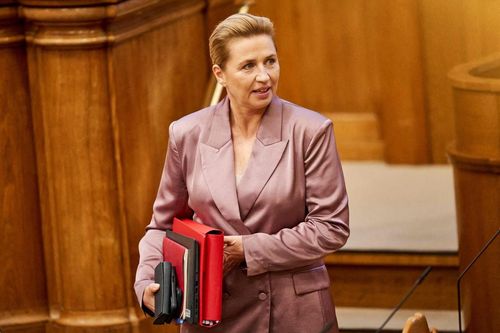
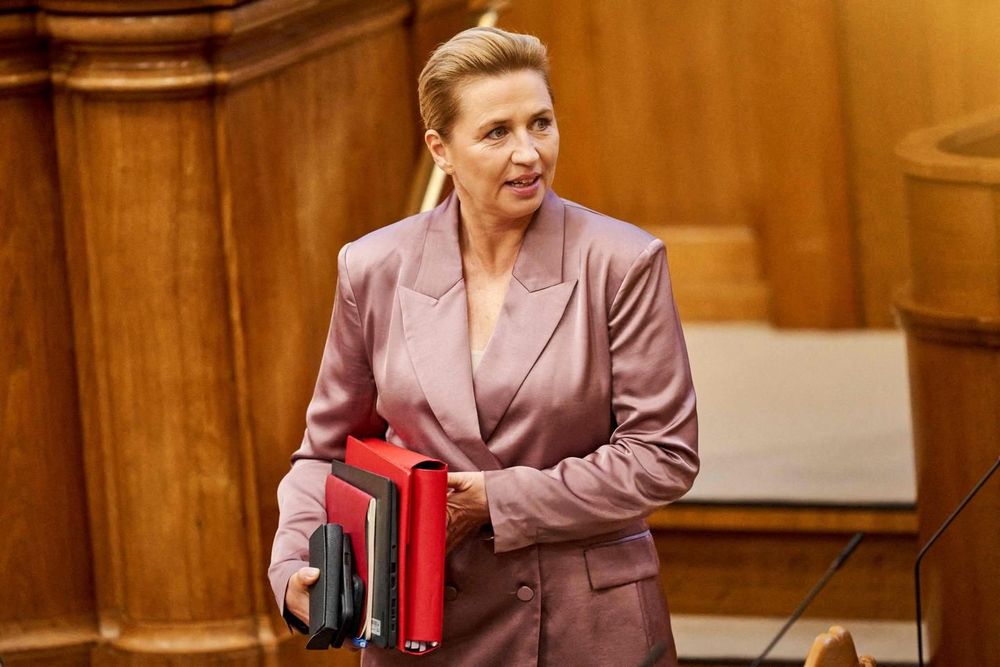
Denmark's center-left government introduced controversial education legislation on Thursday, October 8, that would authorize teachers to use physical restraint to remove disruptive students from classrooms beginning in August 2027. The reform represents a notable departure from the Scandinavian country's long-standing educational principles.
Since 1967, when Denmark prohibited corporal punishment and the use of force in schools under Danish Order No. 276 Concerning the Promotion of Order in the Schools, physical intervention by teachers has been tightly restricted. The country reinforced its stance in 1997 through the Parental Custody and Care Act, which established that children must be treated with respect and not subjected to corporal punishment or degrading treatment in any setting, including the home.
Under current legislation, teachers may only use force when a student poses a danger to themselves, others, or school property. The proposed law would significantly expand these circumstances, allowing physical intervention when students harass or insult others, or significantly disrupt lessons.
According to the proposed legislation, teachers would be permitted to hold a student, keep them in place, or take them to another room against their will. Government examples of situations warranting such intervention include a student who throws food during a home economics class and refuses to stop or leave despite repeated warnings, or a student who plays loud music on their phone and refuses to turn it off or surrender the device.
Rising classroom violence drives reform
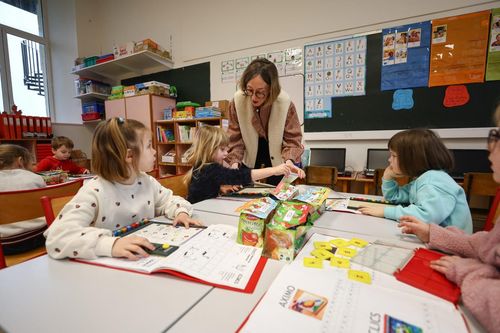
The legislative proposal emerges against a backdrop of deteriorating classroom conditions documented in recent government studies. A 2025 study commissioned by the Ministry of Children and Education and conducted by Epinion and Als Research found that physical violence between students occurred in 55% of Danish school classes. The problem proved most acute in early primary school grades 0-3, where 75% of classes reported such incidents.
Violence directed at school staff has also escalated sharply. The same Ministry of Education study found that physical violence against staff was reported in 20% of all classes, rising to 39% in grades 0-3. Meanwhile, data from the Danish Working Environment Authority's National Monitoring survey revealed that violence against teachers nearly doubled between 2021 and 2025, with 18% of teachers reporting physical violence at work in 2025 compared to 9.7% in 2021.
Teachers' union advocacy
Danmarks Lærerforening, the Danish teachers' union, has long advocated for greater flexibility in managing disruptive students. Founded in 1874, the union represents approximately 81,000 members working primarily in primary and lower secondary public education. The organization has argued that current restrictions make it increasingly difficult to manage students who disturb classes and refuse to comply with instructions to remain quiet or leave when asked.
The union's current push for expanded authority follows a history of tensions over working conditions in Danish education. In 2013, primary and lower secondary school teachers faced a month-long lockout by municipal authorities during negotiations, which ended with government-imposed mediation that favored employers.
The proposed reform places Denmark in a complex position within the Nordic region's educational landscape, where countries have pioneered strict anti-corporal punishment policies. The new legislation, if enacted, would mark one of the most controversial shifts in Danish education policy in recent decades.