
Massive Nationwide Demonstrations Mark Third Major Day of Action
High school students and their supporters demonstrated in force across France on Tuesday, October 6, in what marked the third major day of action in a movement that has grown from localized school blockades into a nationwide phenomenon. The Interior Ministry counted approximately 266,000 protesters nationwide, including 56,000 in Paris, while high school and university organizers put the figure significantly higher at 450,000 participants, with 100,000 in the capital.
The protests, which began on September 21 at Lycée Antoine-de-Saint-Exupéry in Créteil, in the Paris region, following a teachers' strike on September 17, have expanded dramatically beyond their initial scope. In cities including Lille, Marseille, Lyon, Paris, Clermont-Ferrand and Rennes, high school students who had previously confined their actions to school grounds joined street marches in large numbers. Many participants were protesting for the first time.
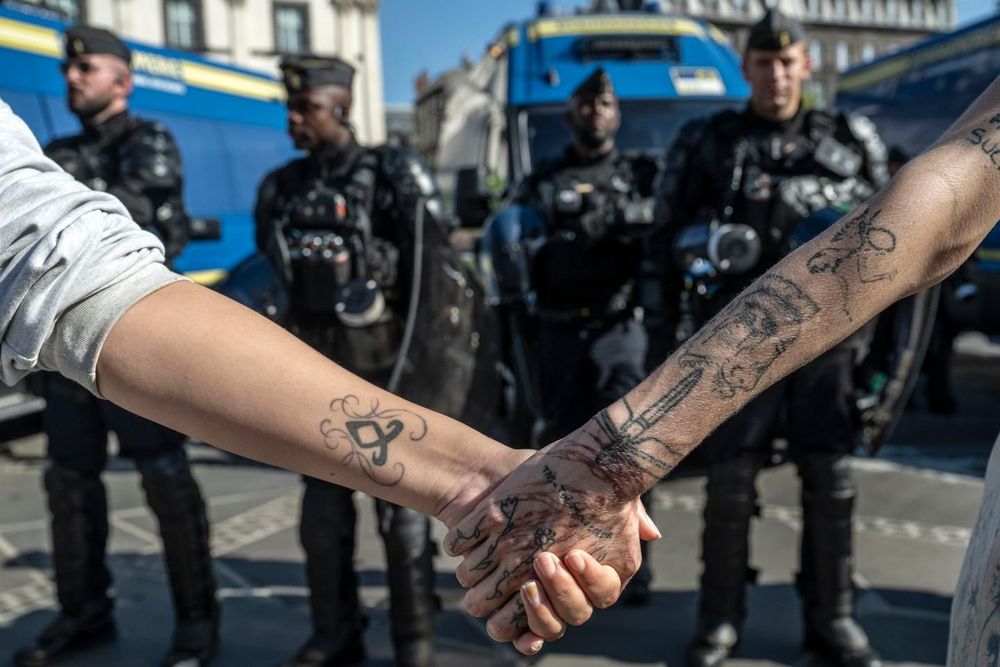
In Nîmes, where the Gard prefecture counted 13,500 demonstrators, four students from Albert-Camus high school expressed relief at the peaceful nature of the day's events. Mathilde, Fantine, Antonin and Melvil noted that the absence of incidents might finally allow their voices to be heard. The generally good-natured atmosphere marked a contrast with earlier tensions, though clashes erupted at the end of the Paris protest, resulting in 488 arrests nationwide according to the Interior Ministry.
Grievances rooted in systemic problems
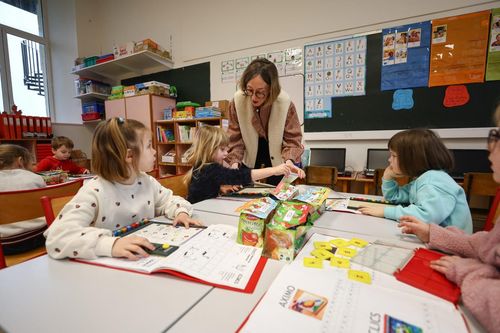
Students are demanding solutions to chronic teacher shortages, dilapidated school buildings, overcrowded classrooms holding 32 to 35 students, overloaded timetables, and the stress caused by the Parcoursup university admissions system. The severity of these problems is underscored by education ministry data showing that during the 2024-2025 school year, nearly 10 percent of teaching hours went untaught in French public secondary schools, with approximately 7.5 percent of lost hours attributable to the failure to find substitute teachers.
Environmental factors have also galvanized the movement. The 2026 European heatwaves exposed the poor condition of many school buildings, with students reporting classroom temperatures reaching 35°C (95°F) and a widespread lack of air conditioning, adding urgency to demands for infrastructure improvements.
Movement expands as unions join protests
On October 6, teacher unions including the CGT joined the protests for the first time, marking a significant expansion of the movement beyond students alone. Student unions reported that around 1,800 high schools were either blockaded or closed for the day. The union participation came amid broader public sector strikes over the government's proposed 2027 budget, which aims to achieve 54 billion euros in savings through measures including a freeze on public sector salaries.
The convergence of student and labor protests reflects growing discontent with government austerity measures. Student unions had voiced dissatisfaction after meeting with Education Minister Édouard Geffray on October 2, saying the government had not adequately responded to their demands, which prompted the call for continued mobilization.
Escalating disruption and violence
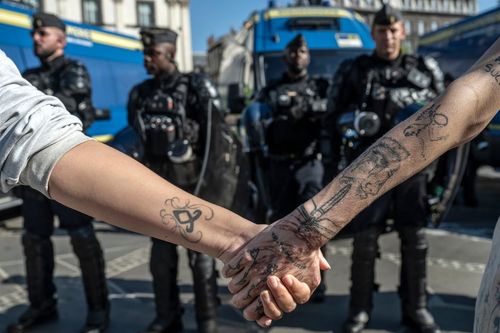
The movement's growth has been accompanied by increasing disruption and violence. Education Minister Édouard Geffray stated on October 5 that 24 schools had been burned or ransacked since the protests began, with 400 to 500 schools partially or totally closed. By October 1, the Interior Ministry had reported 1,949 arrests in a single day, with 305 police and gendarmes injured. More than 1,793 people were placed in custody from the previous Monday through October 1, approximately 90 percent of them minors.
Prime Minister Sébastien Lecornu reported on October 6 that the protests had resulted in injuries to 215 students, 85 teaching staff, and 715 police officers. More than 5,000 people had been arrested since the protests began, reflecting the scale and intensity of the confrontations.
Despite the violence that has marked some demonstrations, the large turnout on October 6 and the good-natured atmosphere in many cities suggest the movement retains broad support among students and increasingly among educators and labor organizations, even as authorities grapple with the challenge of maintaining order while addressing the underlying grievances driving the protests.